
The discipline of industrial hygiene, often referred to as occupational hygiene, centers on the anticipation, recognition, evaluation, and control of environmental factors or stresses arising in or from the workplace. These factors may cause sickness, impaired health and well-being, or significant discomfort among workers and community members. As regulatory frameworks have become increasingly stringent throughout the 21st century, the selection of a qualified industrial hygiene service provider has transitioned from a routine administrative task to a critical component of risk management and corporate liability reduction.
The Historical Evolution of Workplace Safety Standards
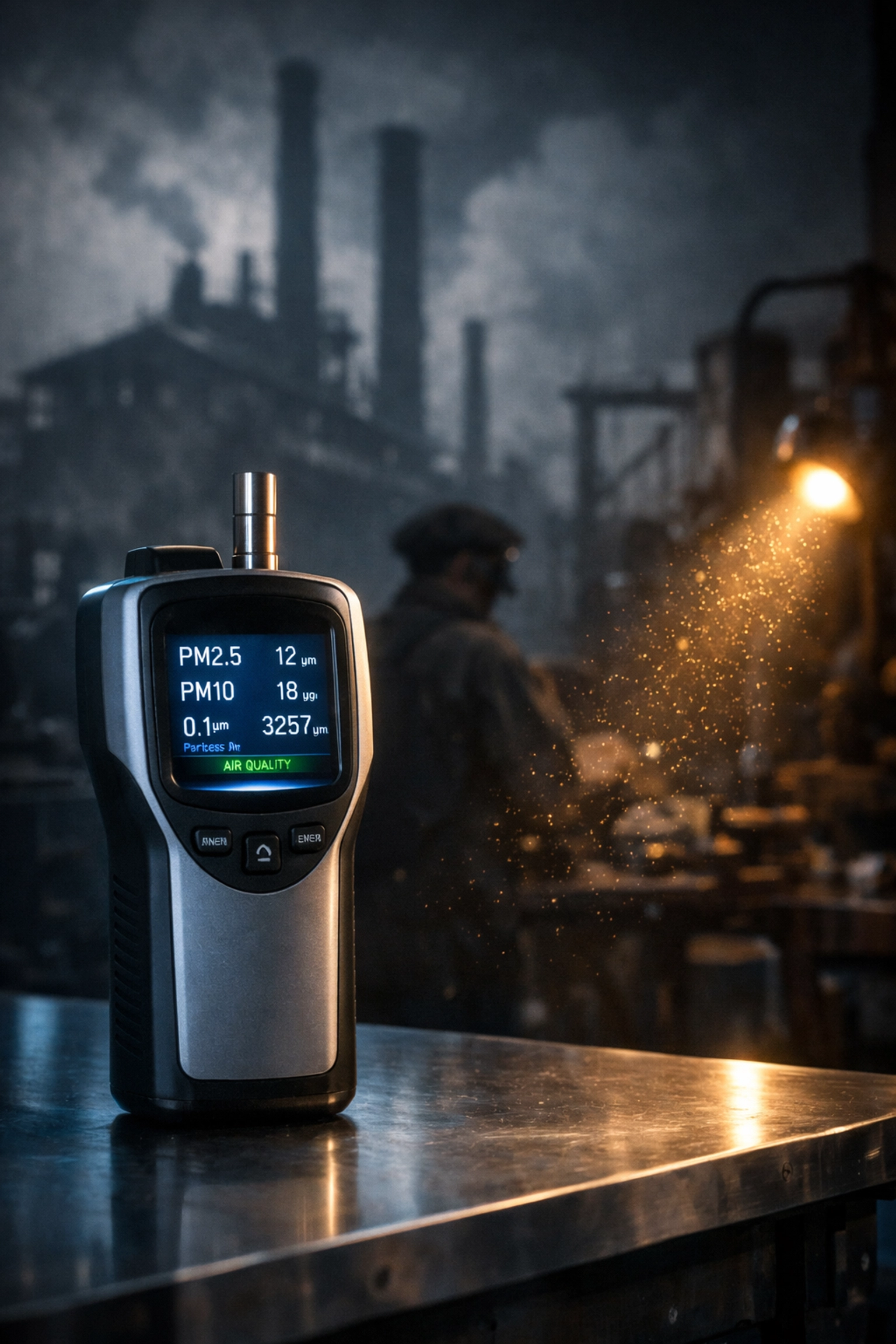
The origins of systematic workplace monitoring can be traced back to the early 20th century. In the United States, the formation of the Bureau of Mines in 1910 and the subsequent passage of the Occupational Safety and Health Act of 1970 marked significant milestones in the formalization of safety protocols. Historically, the focus remained primarily on immediate physical hazards. However, the modern era has shifted focus toward invisible threats, including chemical vapors, biological contaminants, and microscopic particulates.
By the turn of the millennium, the industry demanded more than just technical proficiency; it required verifiable proof of safety performance. This demand led to the rise of third-party verification platforms and standardized safety metrics, which provide objective data regarding a firm's operational integrity.
Understanding the "A" Rating: The Role of ISNetworld
In the contemporary landscape of environmental consulting, pre-qualification platforms such as ISNetworld serve as a global benchmark for connecting hiring clients with safe, reliable contractors. An ISNetworld "A" Rating is not a mere participation certificate; it is a rigorous designation indicating that a firm has met or exceeded the highest safety, insurance, and quality standards required by industry leaders.
The grading process involves a comprehensive review of a company’s:
- Written health and safety programs.
- Historical safety data and incident rates.
- Insurance certificates and coverage limits.
- Training records and employee certifications.
For entities seeking industrial hygiene services, an "A" rating functions as a primary filter. It ensures that the consultant adheres to a standard of excellence that minimizes the risk of on-site incidents and legal complications. Vista Environmental Consulting maintains this high-level accreditation, underscored by Member Number 400-222568, signaling a long-term commitment to these rigorous transparency standards.
The Significance of the Experience Modification Rate (EMR)
A secondary, yet equally vital, metric for evaluating an industrial hygiene firm is the Experience Modification Rate (EMR). This numerical value is used by insurance companies to gauge both past cost of injuries and future risk. The industry neutral baseline is set at 1.0.
- EMR > 1.0: Indicates a higher-than-average risk and a history of workplace injuries.
- EMR < 1.0: Indicates a superior safety record, reflecting a proactive approach to risk mitigation.
Vista Environmental Consulting maintains an EMR of .83. This figure is statistically significant, as it demonstrates a consistent history of safety performance that is nearly 20% better than the industry average. For clients in high-stakes sectors such as healthcare and federal contracting, selecting a firm with a low EMR directly translates to reduced secondary liability and higher project stability.

Technical Expertise and Professional Certifications
Beyond safety ratings, the technical competence of an industrial hygiene firm is measured by the credentials of its personnel. The American Industrial Hygiene Association (AIHA) and the Board of Certified Safety Professionals (BCSP) provide the gold standards for professional certification.
Certified Industrial Hygienists (CIH)
The CIH designation is the most recognized certification in the field. It requires a specific educational background, years of professional experience, and the successful completion of a comprehensive examination covering toxicology, epidemiology, and air sampling methodologies.
Certified Safety Professionals (CSP)
CSPs focus on the broader aspects of safety management, including hazard identification, fire protection, and ergonomics. A firm that integrates both CIH and CSP expertise offers a multi-disciplinary approach to environmental health.
The Importance of Industry Longevity
The landscape of environmental regulations is in a state of constant flux. Regulations regarding asbestos, lead-based paint, and construction dust are periodically updated to reflect new scientific findings.
Established in 2007, Vista Environmental Consulting has navigated nearly two decades of regulatory shifts. Longevity in this sector indicates more than just business survival; it reflects a firm’s ability to adapt to technological advancements and evolving EPA and OSHA mandates. This depth of experience is particularly relevant when performing asbestos surveys or complex lead inspections where historical context of building materials is necessary.

Criteria for Selection: A Systematic Checklist
When evaluating potential industrial hygiene partners, stakeholders should follow a structured assessment process:
- Safety Rating Verification: Confirm the firm’s standing in platforms like ISNetworld.
- Actuarial Data Review: Request the current EMR letter to verify risk profiles.
- Accreditation Check: Ensure the firm utilizes laboratories accredited by the AIHA Laboratory Accreditation Programs.
- Specialization Alignment: Verify if the firm has experience in the specific sector relevant to the project, such as K-12 education or urban redevelopment.
- Equipment Calibration: Inquire about the maintenance and calibration schedules for air monitoring and sampling equipment.
Environmental Consulting in Diverse Sectors
The application of industrial hygiene varies significantly across different physical environments. The challenges faced in a high-density urban renewal project differ vastly from those in a sterile healthcare facility.
Civic and Public Works
Public projects require a high degree of transparency and adherence to strict budgetary and safety constraints. Firms with a history of civic engagement are better equipped to handle the public scrutiny often associated with municipal environmental projects.
Educational Facilities
In K-12 and higher education environments, the primary concern is the protection of sensitive populations. Industrial hygiene services here focus heavily on mold remediation, indoor air quality, and the management of legacy building materials.
The Economic Impact of Quality Industrial Hygiene
While the primary objective of industrial hygiene is health and safety, the economic implications are substantial. Inadequate environmental assessments can lead to:
- Project delays due to unexpected hazardous material discovery.
- Legal fees and settlements resulting from worker exposure.
- Increased insurance premiums due to poor safety records.
- Regulatory fines from the EPA or OSHA.
By prioritizing a firm with an "A" rating and a low EMR, organizations effectively invest in a form of insurance that protects both their personnel and their financial interests. The precision of initial assessments leads to more accurate project bidding and fewer unforeseen costs during the construction or remediation phases.
Conclusion: The Standard for 2026
As of April 2026, the complexity of environmental hazards continues to expand. The introduction of new EPA standards and the increasing sensitivity of detection technology mean that "standard" service is no longer sufficient. The distinction between a mediocre consultant and an industry leader is found in the data: the safety ratings, the EMR, and the years of documented success.
Vista Environmental Consulting remains a leader in the field by maintaining the rigorous standards established since its inception in 2007. With an ISNetworld "A" Rating, an EMR of .83, and a focus on professional excellence, the firm provides the technical and safety foundations necessary for complex environmental challenges in the modern era. For further insights into industry trends and safety protocols, professionals are encouraged to monitor the Vista Environmental Blog.
