
Blog

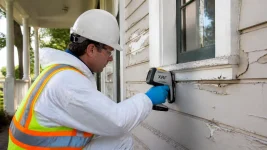
Why Your Lead-Based Paint Inspection Might Fail: 5 Things to Know About the New 2026 EPA Dust Rules

The landscape of environmental compliance underwent a significant transformation as of January 2026. For property owners, facility managers, and developers, the standards for a successful lead based paint inspection have become more rigorous than at any point in the last

Posted in

The “Magic Mineral” with a Dark Side: A Brief History of Asbestos

Asbestos is a group of naturally occurring silicate minerals that once held a position of high esteem in the global industrial landscape. Known for centuries as the "magic mineral," its physical properties: including high tensile strength, chemical resistance, and an

Posted in

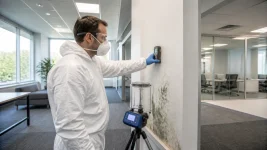
Clean Room Monitoring Matters: Why Your Facility’s Integrity Depends on It

The integrity of a controlled environment is defined by the absence of pollutants such as dust, airborne microbes, and aerosol particles. In the realm of high-precision manufacturing, biotechnology, and pharmaceuticals, the maintenance of these environments: known as clean rooms: is

Posted in

How to Choose the Best Industrial Hygiene Services: Why an “A” Rating Changes Everything

The discipline of industrial hygiene, often referred to as occupational hygiene, centers on the anticipation, recognition, evaluation, and control of environmental factors or stresses arising in or from the workplace. These factors may cause sickness, impaired health and well-being, or

Posted in

The New 2026 EPA Lead Thresholds: What Building Owners Need to Know Now

Lead, a naturally occurring element found in the earth's crust, has played a pivotal role in human technological advancement for millennia. Known for its high density, low melting point, and exceptional corrosion resistance, lead was among the first metals to

Posted in

Don’t Swing That Sledgehammer Yet! Why Renovation Starts with Hazardous Testing

The act of renovating a commercial or industrial structure represents a critical juncture between historical architecture and modern utility. However, the physical layers of a building often serve as a chronological record of industrial chemistry: one that includes materials now

Posted in

7 Mistakes You’re Making with Lead-Based Paint Inspections (And How the New EPA Rules Impact You)

The Historical Context of Lead Utilization and Regulation The use of lead (Plumbum) in human civilization dates back to approximately 6500 BCE. Its naturally occurring properties, such as high density, low melting point, and extreme malleability, made it a preferred

Posted in

Do You Really Need an Asbestos Survey? Here’s the Truth About Compliance and Costs

The utilization of asbestos, a group of six naturally occurring silicate minerals, represents one of the most complex chapters in the history of industrial construction and public health. Known for its extraordinary tensile strength, resistance to chemical erosion, and remarkable

Posted in

Construction Dust Monitoring Matters: Why Your Project Success Depends on It

The management of airborne particulate matter, commonly referred to as construction dust, represents a critical intersection between engineering precision, public health, and regulatory compliance. In the context of modern infrastructure development, the presence of dust is not merely an aesthetic

Posted in

Categories