
The integrity of a controlled environment is defined by the absence of pollutants such as dust, airborne microbes, and aerosol particles. In the realm of high-precision manufacturing, biotechnology, and pharmaceuticals, the maintenance of these environments: known as clean rooms: is not merely a logistical preference but a fundamental requirement for product safety and regulatory compliance. Clean room monitoring is the systematic process of verifying that these environments adhere to specific cleanliness standards, ensuring that environmental variables do not compromise the work conducted within.
The Historical Evolution of Environmental Control
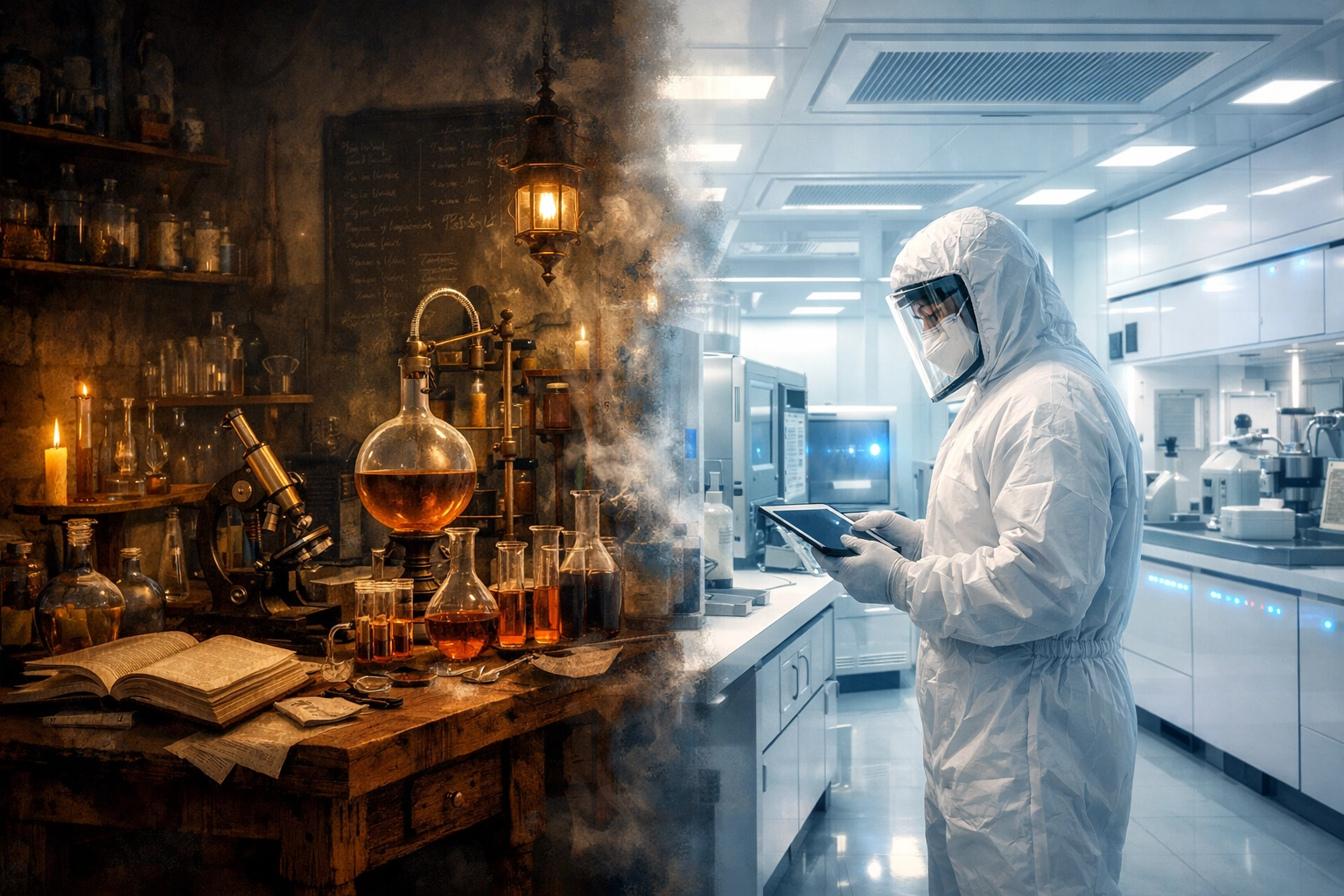
The conceptual origins of clean room technology can be traced to the mid-19th century, specifically within the medical field. In the 1860s, British surgeon Joseph Lister began implementing antiseptic protocols to reduce post-surgical infections, recognizing that microorganisms in the air and on surfaces contributed to patient mortality. This period marked the initial transition toward controlled hygienic environments.
As industrialization progressed in the 20th century, the necessity for particulate control moved beyond the operating room. During World War II, the production of high-precision instruments, such as aircraft bearings and sights, required environments free from dust that could cause mechanical failure. The development of the High-Efficiency Particulate Air (HEPA) filter in the 1940s: a product of the Manhattan Project: revolutionized environmental control by allowing for the removal of 99.97% of particles as small as 0.3 microns.
By the 1960s, Willis Whitfield, an American physicist, designed the modern "laminar flow" clean room, which utilized a constant, unidirectional flow of filtered air to sweep contaminants out of the room. This innovation laid the groundwork for the modern standards currently utilized by environmental consulting services to protect facility integrity.
The Mechanics of Contamination and Facility Integrity
Facility integrity in a controlled environment refers to the facility's ability to maintain a defined set of environmental conditions despite external fluctuations or internal activities. Contamination events are often the result of "process drift," where minute changes in mechanical performance or personnel behavior lead to a breach in sterility.
The primary vectors of contamination include:
- Personnel: Human occupants are the largest source of particulates, shedding skin cells, hair, and fibers from clothing.
- Equipment: Mechanical wear and tear can release metallic or plastic particulates into the air.
- External Air: Ingress of unfiltered air through structural gaps or failed filtration systems can introduce mold, pollen, and industrial pollutants.
- Cross-Contamination: The movement of materials between different cleanliness zones can transport hazardous or reactive agents.
Without continuous clean room monitoring, these contamination events may go undetected for days or weeks. In the pharmaceutical sector, such a failure can result in the loss of millions of dollars in product or, more critically, the distribution of compromised medication to patients.
Technical Parameters of Effective Monitoring
A comprehensive monitoring strategy evaluates multiple physical and environmental variables simultaneously. Each parameter provides a distinct data point that contributes to the overall profile of facility health.
1. Differential Pressure
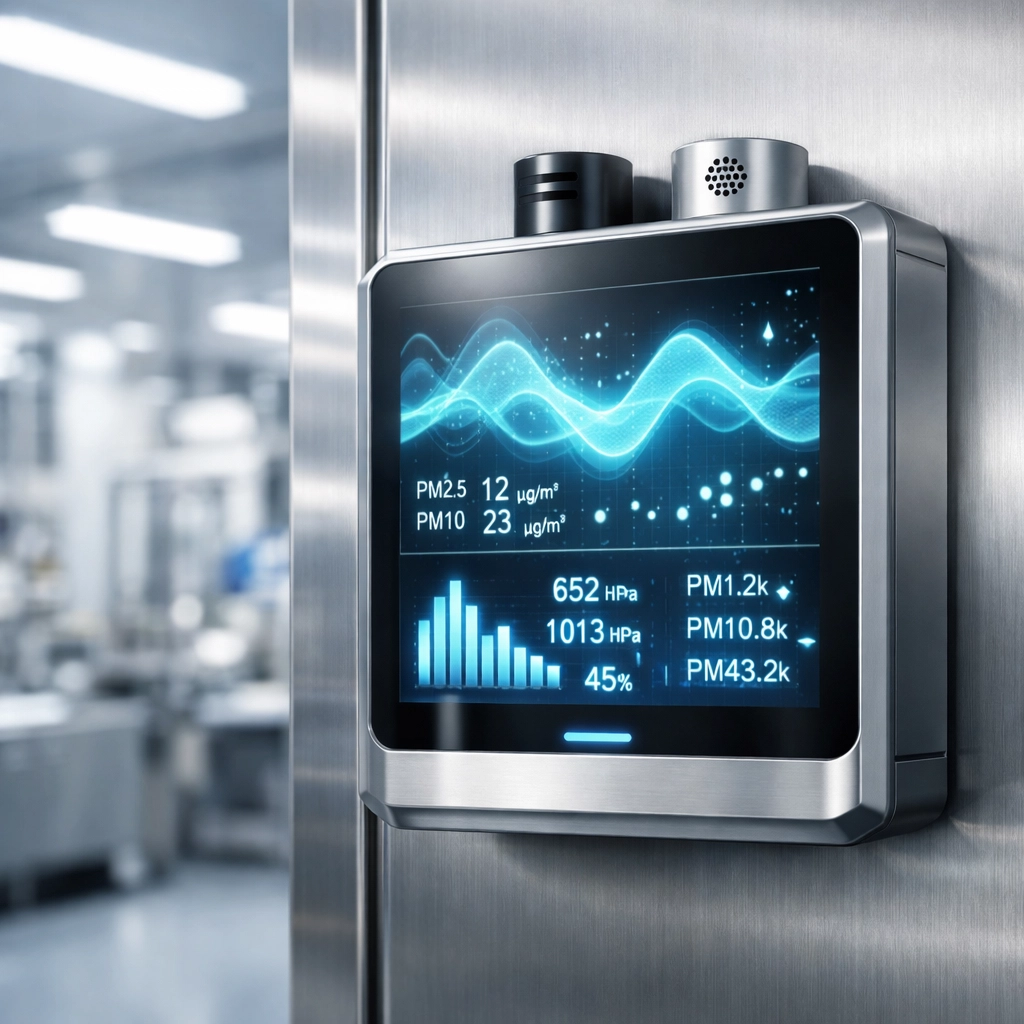
Differential pressure is the practice of maintaining higher air pressure in a clean room relative to the surrounding hallways or lower-grade rooms. This "positive pressure" ensures that when a door is opened, air flows out of the clean room, preventing unfiltered air from entering. Monitoring systems track these pressure gradients to ensure that the physical barrier of the air is never compromised.
2. Particulate Levels
The core of clean room classification is based on the concentration of particles per cubic meter of air. Monitoring systems utilize laser particle counters to track levels in real-time. This is essential for compliance with ISO 14644 standards, which categorize clean rooms from Class 1 (cleanest) to Class 9.
3. Temperature and Relative Humidity
Temperature stability is critical for preventing microbial growth and ensuring the stability of chemical reactions. Relative humidity must be tightly controlled to prevent electrostatic discharge (which can destroy semiconductors) and to limit the growth of mold and other biological contaminants. Projects such as the indoor air quality assessment at California Maritime Academy highlight the importance of these atmospheric controls in specialized environments.
Regulatory Standards and Global Compliance
Modern clean room operations are governed by a complex framework of international and regional standards. Compliance with these regulations is mandatory for legal operation and consumer safety.
- ISO 14644: This is the primary international standard for clean rooms, specifying the classification of air cleanliness and the requirements for testing and monitoring.
- USP <797> and <800>: In the United States, the Pharmacopeia (USP) sets standards for the compounding of sterile preparations. USP <797> focuses on preventing contamination in sterile compounding, while USP <800> addresses the safe handling of hazardous drugs to protect personnel.
- 21 CFR Part 11: For facilities regulated by the FDA, this standard mandates that electronic records and signatures are trustworthy and reliable, requiring monitoring systems to maintain secure, unalterable data logs.
Adhering to these standards requires professional oversight. Facilities often engage with environmental consulting services to perform audits and establish monitoring protocols that satisfy regulatory inspectors. For example, large-scale healthcare retrofits, such as the Corona Regional Medical Center seismic project, require meticulous attention to environmental standards to ensure that construction activity does not compromise patient care areas.
The Financial and Operational Impact of Monitoring
The implementation of a robust clean room monitoring system offers significant return on investment through risk mitigation. The financial consequences of a single contamination event can include:
- Product Scrapping: The total loss of a production batch.
- Facility Downtime: The cessation of operations for deep cleaning and re-validation.
- Regulatory Fines: Legal penalties for non-compliance with health and safety standards.
- Reputational Damage: Loss of consumer trust and potential litigation.
By utilizing real-time data, facility managers can adopt a "predictive maintenance" model. Rather than reacting to a failure after it has occurred, sensors can detect subtle trends: such as a slow decrease in differential pressure: allowing for the replacement of a failing belt or motor before the environment is compromised.
Vista Environmental Consulting: A Legacy of Technical Excellence
Effective clean room management requires a partner with a documented history of technical proficiency and safety compliance. Since its inception in 2007, Vista Environmental Consulting has provided specialized services to institutional, medical, and industrial clients across California.
The organization’s commitment to operational safety and accuracy is evidenced by its industry-leading credentials. Vista Environmental Consulting maintains an ISNetworld ‘A’ Rating, a designation reserved for contractors who meet the highest standards of safety, insurance, and quality. Furthermore, the firm holds an Experience Modification Rate (EMR) of .83, indicating a safety record significantly better than the industry average. These metrics are accessible under the organization’s member number: 400-222568.
Vista’s expertise spans a wide range of environmental disciplines, from pre-demolition assessments at the Port of Oakland to complex hazardous materials investigations at Naval Base Ventura. This breadth of experience allows the firm to approach clean room monitoring with a holistic understanding of how structural hazards and environmental variables interact.
Conclusion: The Future of Controlled Environments
As technology trends toward further miniaturization in electronics and more complex biological therapies in medicine, the tolerances for environmental contamination will continue to narrow. The integrity of a facility is no longer a static condition achieved at the time of construction; it is a dynamic state that must be defended every second through rigorous monitoring and professional oversight.
From the historical lessons of the 19th century to the high-tech requirements of 2026, the principle remains the same: the quality of the output is entirely dependent on the purity of the environment. Engaging with established experts for environmental consulting services ensures that these standards are not just met, but mastered. Whether managing hazardous materials for the DMV or ensuring the air quality of a sterile lab, the focus on integrity is the ultimate safeguard for progress.
