
The utilization of asbestos, a group of six naturally occurring silicate minerals, represents one of the most complex chapters in the history of industrial construction and public health. Known for its extraordinary tensile strength, resistance to chemical erosion, and remarkable fireproofing capabilities, asbestos was once hailed as the "magic mineral." However, the transition from industrial staple to strictly regulated hazardous material has created a landscape of stringent legal requirements for property owners. In the modern era, determining the necessity of an asbestos survey is not merely a matter of preference but a fundamental requirement of federal and state compliance.
The Historical Context of Asbestos Utilization
The human engagement with asbestos fibers dates back to the prehistoric era. Archeological evidence suggests that as early as 4000 B.C., asbestos fibers were utilized in wicks for lamps and candles. By the time of the Roman Empire, the mineral was woven into cloths and napkins, noted by historians such as Pliny the Elder for its ability to be cleaned by fire. Despite these ancient origins, the industrial application of asbestos surged during the late 19th-century Industrial Revolution.
As steam power and heavy machinery became the engines of global economy, the demand for effective insulation reached unprecedented levels. Asbestos was integrated into boilers, kilns, and steam pipes. In the United States and Europe, the mid-20th century marked the peak of asbestos consumption. It was incorporated into over 3,000 different building products, ranging from floor tiles and roofing shingles to acoustic ceiling textures and thermal system insulation.

The Shift Toward Regulation and Public Health
The medical community began documenting the adverse health effects of asbestos exposure as early as the turn of the 20th century. By the 1970s, the link between asbestos fibers and debilitating respiratory conditions: such as asbestosis, lung cancer, and mesothelioma: was scientifically undeniable. This realization prompted the United States government to enact significant regulatory frameworks to protect workers and the general public.
The Environmental Protection Agency (EPA) and the Occupational Safety and Health Administration (OSHA) established protocols that fundamentally changed how buildings are managed. The National Emission Standards for Hazardous Air Pollutants (NESHAP) became the primary federal regulation governing the handling of asbestos during building demolition and renovation. These regulations mandate that before any activity that might disturb potential asbestos-containing materials (ACM), a thorough inspection must be conducted.
Determining the Legal Necessity of an Asbestos Survey
A common misconception among property owners is that newer buildings are exempt from survey requirements. While the use of asbestos in certain products was banned or phased out, many materials still contain asbestos or are imported from regions with different manufacturing standards. Consequently, federal law requires a survey regardless of the construction date of the facility.
According to EPA NESHAP regulations, an asbestos survey is mandatory before:
- The demolition of any facility.
- The renovation of a facility where "regulated asbestos-containing material" (RACM) may be disturbed.
- Repair work or remodeling that impacts structural or finish materials.
Failure to conduct these surveys can result in significant legal liabilities, stop-work orders, and substantial fines. Furthermore, the presence of asbestos is considered a "material fact" in real estate transactions, making pre-demolition assessments a critical component of due diligence for commercial and industrial markets.

Analyzing the Asbestos Survey Cost
For property owners and facility managers, understanding the asbestos survey cost is essential for project budgeting. The cost is not a static figure but is influenced by several variables related to the scope and complexity of the structure in question.
1. Square Footage and Building Complexity
The size of the building is the most significant driver of cost. A small residential structure requires less time and fewer samples than a multi-story medical facility or an industrial complex. Complex structures with various additions, mixed-use spaces, or unique architectural features require more intensive investigation to ensure all potential ACM is identified.
2. Number of Samples Collected
An asbestos survey is only as accurate as its sampling plan. Inspectors must take bulk samples of various materials: such as drywall, joint compound, floor mastic, and pipe insulation: to be analyzed in a laboratory. The total asbestos survey cost increases with the number of samples required to meet statistical and regulatory standards for a "thorough" inspection.
3. Laboratory Analysis Methods
The method of analysis also impacts the final price. Polarized Light Microscopy (PLM) is the standard method for most bulk samples. However, in certain jurisdictions or for specific materials like floor tiles, Transmission Electron Microscopy (TEM) may be required. TEM is more sensitive and accurate for detecting thin fibers but comes at a higher price point than PLM.
4. Site Accessibility and Safety Requirements
If the materials to be sampled are located in confined spaces, at heights requiring scaffolding, or in areas with existing hazardous conditions, the cost of labor and safety equipment will rise accordingly.

The Role of Professional Expertise
The integrity of an asbestos survey rests on the accreditation and experience of the firm conducting the work. Since 2007, Vista Environmental Consulting has provided comprehensive asbestos services to a wide range of sectors, including healthcare, education, and government infrastructure.
A professional survey involves a systematic process:
- Historical Review: Examining building plans and previous renovation records.
- Visual Inspection: A room-by-room walkthrough to identify suspect materials.
- Sampling: Physical extraction of materials under controlled conditions.
- Reporting: A detailed document outlining the location, quantity, and condition of any asbestos found, which is essential for obtaining construction permits.
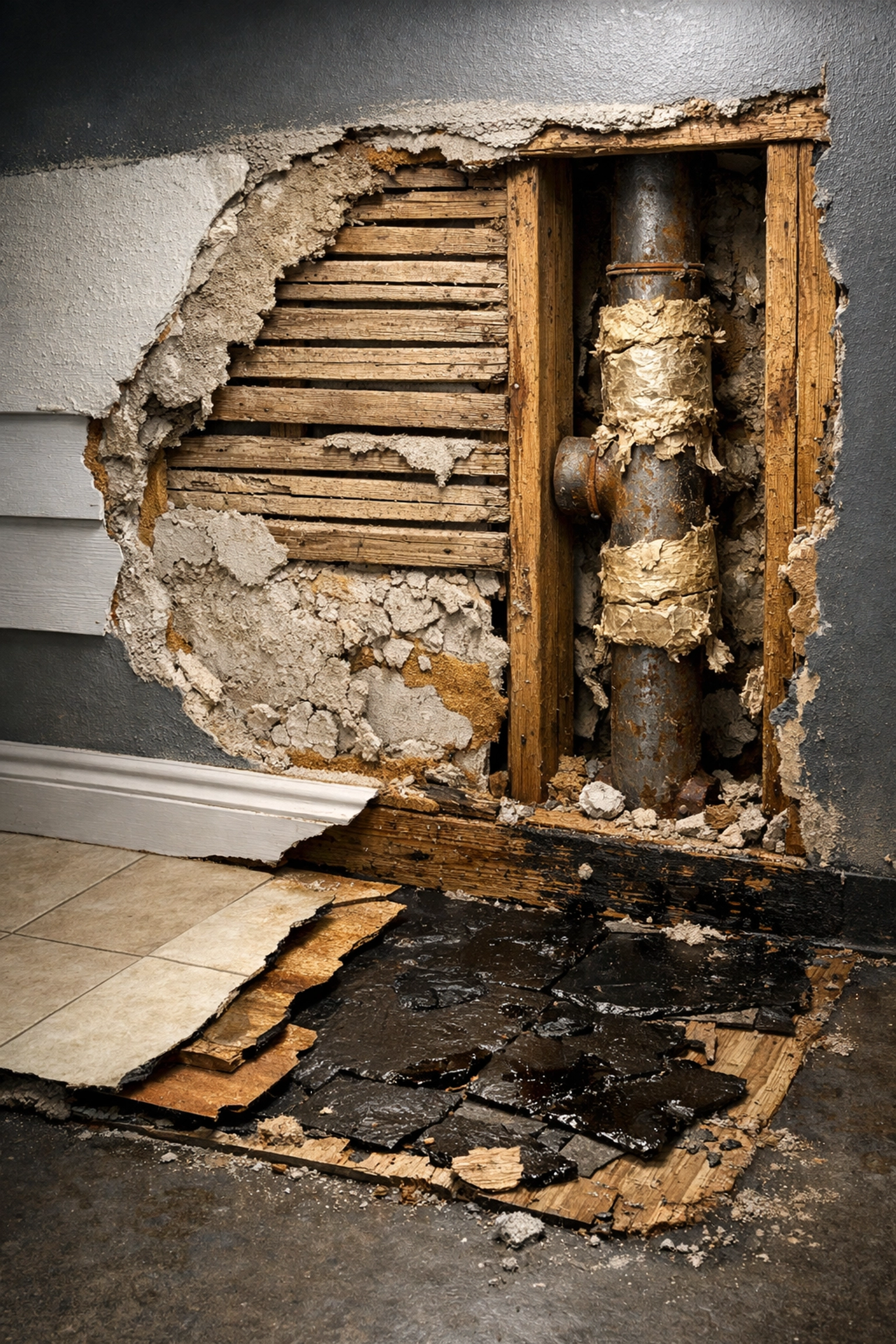
One of the primary values provided by an experienced firm like Vista Environmental Consulting is the resolution of the "unknown factor." In many renovation projects, the presence of hidden asbestos: such as layers of old flooring beneath new carpet or insulation inside wall cavities: can lead to unexpected delays and massive cost overruns if discovered during construction. By identifying these materials upfront, property owners can factor abatement into their initial budgets, preventing the financial shock of mid-project discoveries.
The Impact of Survey Results on Project Timelines
The results of a survey dictate the subsequent steps of a project. If no asbestos is detected, the project may proceed as planned. However, if ACM is identified, the property owner must develop an abatement plan. This involves hiring licensed contractors to remove or encapsulate the material before general construction can begin.
While the initial asbestos survey cost may seem like an additional hurdle, it serves as a critical risk management tool. It protects the health of construction workers, prevents the contamination of the surrounding environment, and ensures that the property owner remains in good standing with regulatory agencies like OSHA and the EPA.
Conclusion: Compliance as a Standard of Care
The evolution of asbestos regulation reflects a broader societal commitment to environmental safety and occupational health. While the mineral's physical properties provided great utility to the 20th-century built environment, its biological legacy necessitates a cautious and highly regulated approach to modern renovation and demolition.
For entities operating in the commercial, industrial, or public sectors, an asbestos survey is an indispensable component of facility management. By partnering with established experts who have been navigating these regulations since 2007, property owners can move forward with their projects with the assurance that their compliance obligations are met and their financial risks are minimized. The "truth" about asbestos surveys is that while they represent an upfront expenditure, they are the only reliable defense against the legal and medical consequences of an "unknown" hazard.
To learn more about environmental compliance and the technical aspects of site assessments, visit our services page or explore our past work with municipal and government agencies.
