The Independent Advantage: Why Your Sampling Firm Should Never Be Your Abatement Firm

When you discover a suspicious substance during a renovation or a routine inspection, the clock starts ticking. Whether it’s a chalky pipe wrap in an old basement or peeling paint in a pre-1978 facility, the "unknown" is the enemy of your budget and your timeline. Your first instinct might be to call a company that can "take care of everything": the testing, the removal, and the final sign-off.

It sounds convenient, right? One phone call, one invoice, one point of contact. But in the world of environmental safety, that convenience often comes with a massive hidden cost: a conflict of interest.

At Vista Environmental Consulting, we’ve been operating since 2007 with a very specific philosophy: We find the problems; we don’t fix them. We are an independent environmental consulting firm specializing in sampling and testing for asbestos, lead, and airborne hazards. We don’t swing hammers, and we don’t haul away hazardous waste.

Here is why that independence is your greatest asset when navigating the complexities of industrial hygiene services.

The "Fox Guarding the Henhouse" Scenario

The phrase is a cliché for a reason: it perfectly describes the risk of hiring a firm that handles both sampling and abatement. When the same company that identifies a hazard is also the one that profits from removing it, the incentive structure is fundamentally broken.

Think of it this way:

  • The Abatement Firm is the "player" on the field. They are there to do the heavy lifting, the demolition, and the cleaning.
  • The Consulting Firm is the "referee." We are there to call the plays, ensure the rules are followed, and determine if the game was won (i.e., if the area is actually safe).

If the player is also the referee, who is making sure the calls are fair? If a firm performs its own "clearance testing" after an abatement job, they are essentially grading their own homework. There is a natural, financial motivation to "pass" a site even if microscopic hazards remain, or conversely, to "find" more hazards than actually exist during the initial inspection to inflate the project scope.

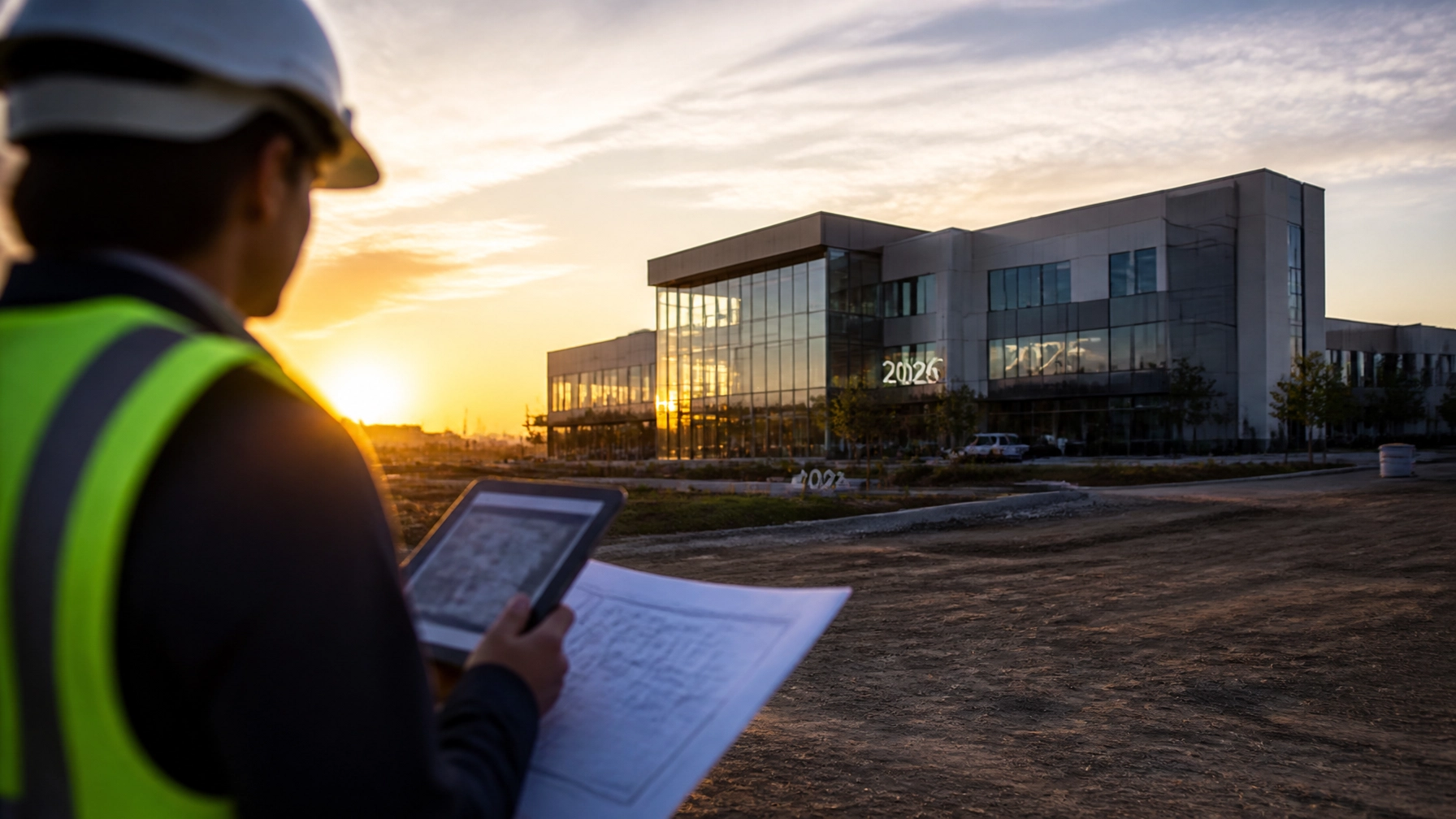
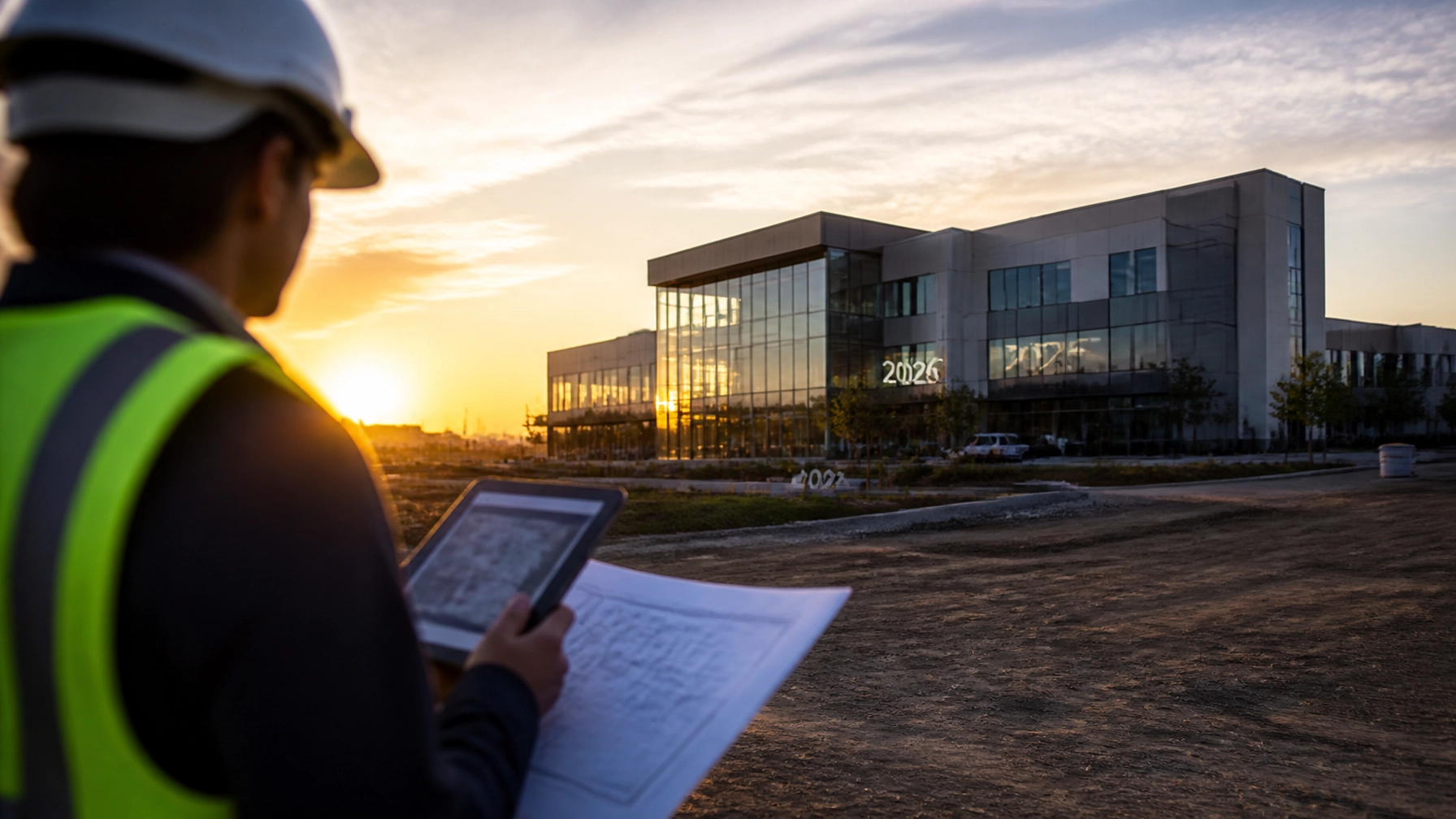
Independent environmental consultant performing site oversight to prevent conflict of interest.

Why Independence Matters in Asbestos Testing

Asbestos remains one of the most significant hurdles in property redevelopment and facility maintenance. Despite common misconceptions, asbestos wasn't "banned" in a way that removed it from all building materials. It’s still everywhere: in floor tiles, roofing, insulation, and adhesives.

When you hire asbestos testing companies, you need data you can take to the bank. At Vista, our consultants: including experts like Christopher Burns and Michael Cardone: focus strictly on the science.

The Vista Sampling Process:

  • Unbiased Surveying: We identify exactly where the Asbestos-Containing Materials (ACM) are located.
  • Precise Quantification: We don’t estimate "roughly the whole floor." We measure exactly what is impacted so your abatement bids are accurate.
  • Air Monitoring: We provide oversight during third-party removal to ensure fibers aren't migrating into "clean" areas of your building.
  • Final Clearance: We provide the final, independent stamp of approval that the area is safe for re-occupancy.

Because we don't do the removal, we have zero incentive to tell you that a non-friable floor tile is a "emergency" if it isn't. We provide the facts so you can make a business decision based on reality, not a sales pitch.

Lead-Based Paint Inspection: More Than Just a Swab

Lead exposure remains a top priority for K-12 schools and healthcare facilities. Navigating a lead-based paint inspection requires a high level of technical proficiency and specific state certifications.

Lead hazards are often invisible to the naked eye. Dust from lead-based paint can settle on surfaces and be ingested or inhaled, leading to severe long-term health complications. When Vista steps onto a site, we use X-Ray Fluorescence (XRF) technology and dust wipe sampling to create a comprehensive map of lead hazards.

By acting as a third-party consultant, we help clients solve the "unknown." If we find lead, we help you develop a Scope of Work that you can then send out to multiple abatement contractors. This allows you to get competitive, fair pricing for the removal work, knowing that the scope was designed by an independent expert who isn't trying to "pad" the job.

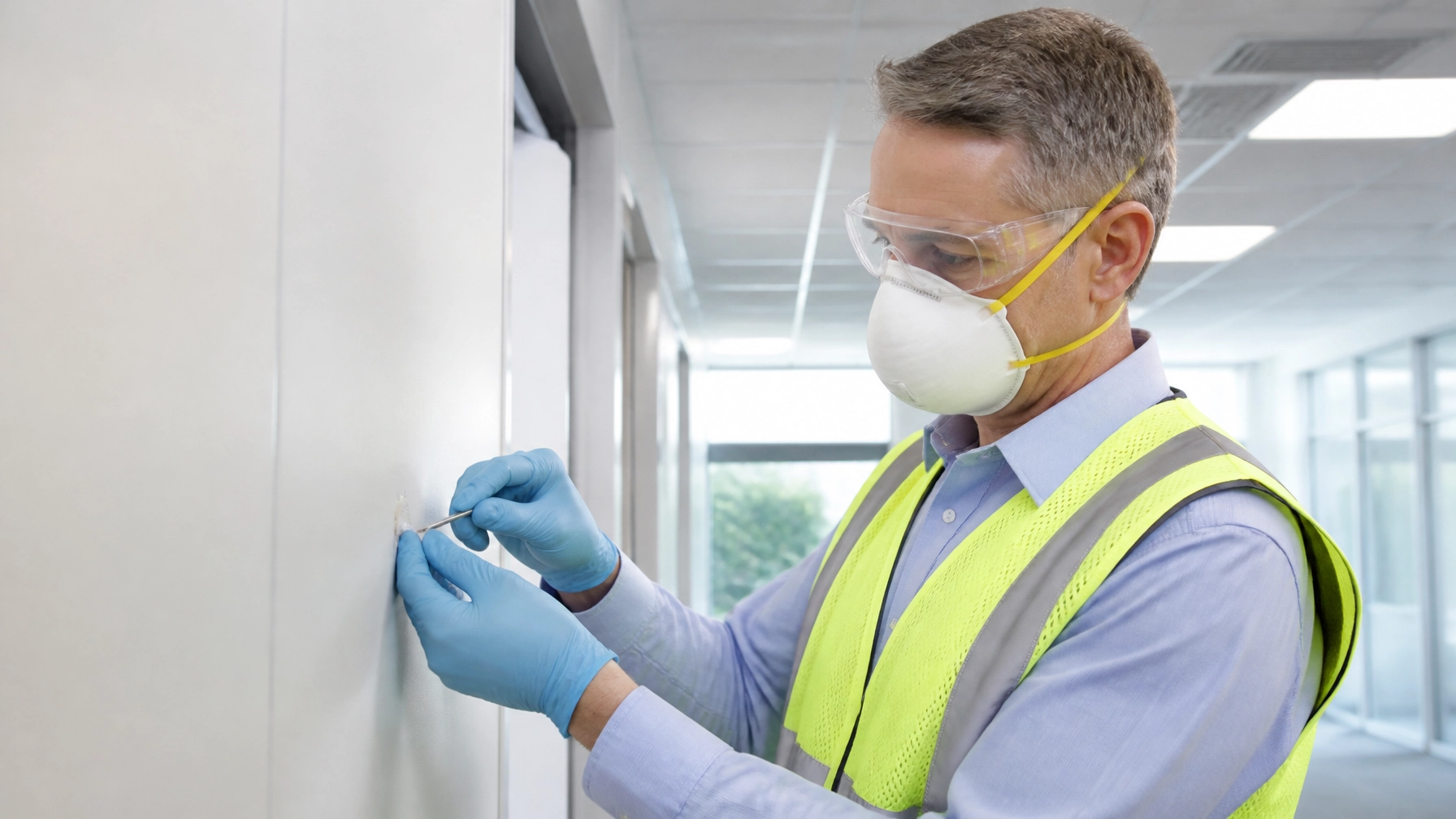
Specialized asbestos sampling of ceiling materials by a professional environmental consultant.

Beyond the Basics: Airborne Hazards and Clean Rooms

Our expertise isn't limited to what's in the walls; it’s also about what’s in the air. Environmental consulting services in 2026 require a deep understanding of particle behavior, especially in high-stakes environments.

Construction Dust and Fenceline Monitoring

For redevelopment projects and civic works, dust is more than a nuisance: it’s a regulatory liability. If dust from your site crosses a property line into a neighborhood or a hospital wing, you’re looking at massive fines and potential lawsuits. Vista provides real-time airborne monitoring to track "dirt" and particulate matter, giving you a digital paper trail that proves you kept the community safe.

Clean Room Monitoring

In specialized industries, "clean" isn't a feeling; it’s a measurable standard. We provide independent monitoring for clean rooms to ensure that particle counts stay within strict ISO classifications. Whether it’s for pharmaceuticals or high-tech manufacturing, having an independent firm like Vista verify your air quality adds a layer of integrity to your quality control process.

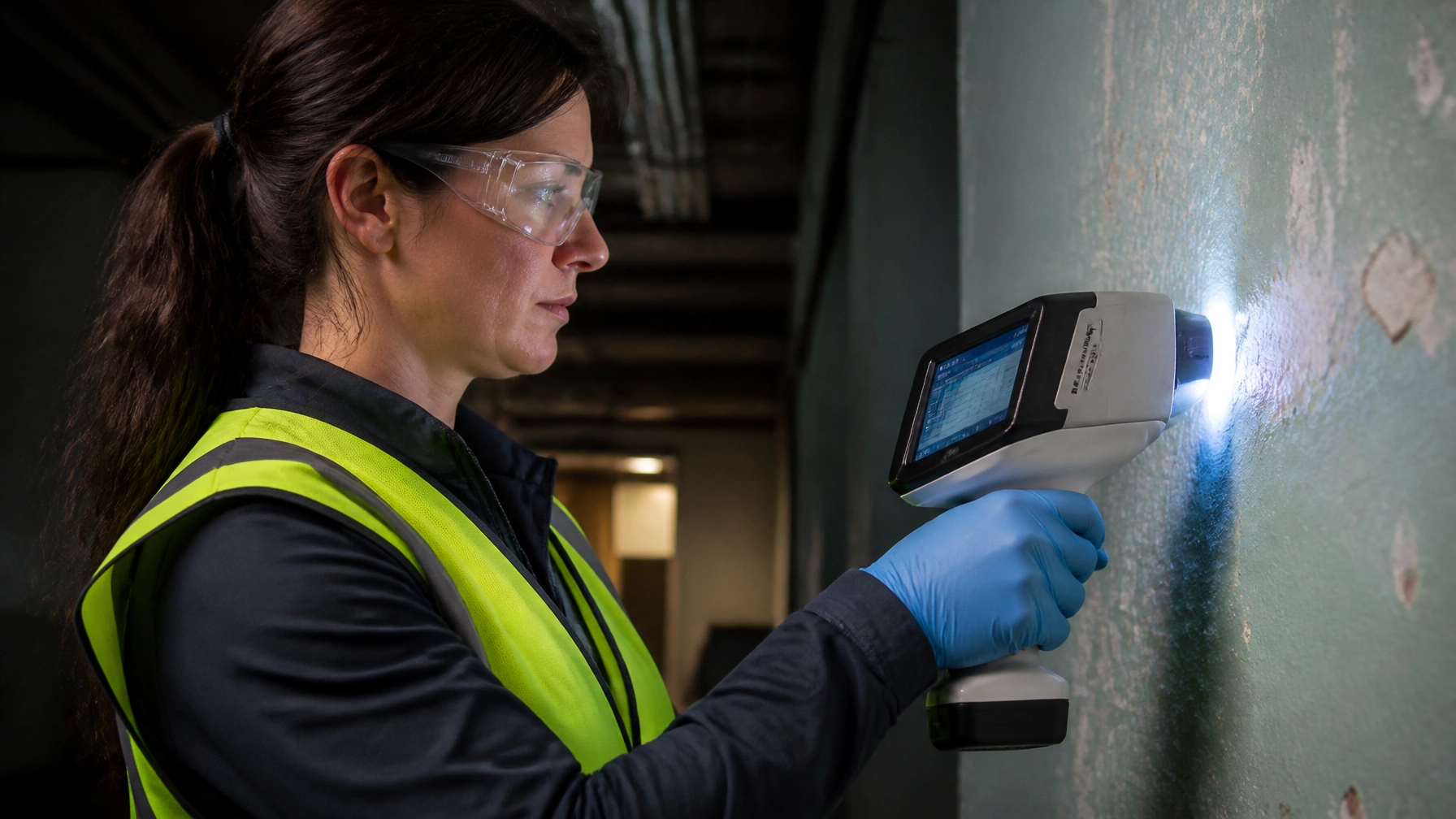
Environmental expert performing a lead based paint inspection using high-tech XRF testing.

The Financial Benefits of Independent Consulting

It might seem like hiring two separate firms (one for testing and one for abatement) is more expensive. In reality, it’s almost always the opposite. Here is how independent industrial hygiene services save you money:

  1. Accurate Scoping: We prevent "scope creep." By accurately identifying the extent of the hazard, we prevent contractors from charging you for the removal of materials that aren't actually hazardous.
  2. Competitive Bidding: With a Vista-prepared survey, you can get apples-to-apples bids from multiple abatement companies.
  3. Liability Protection: If a tenant or employee claims they were exposed to a hazard, an independent report from a third party is your strongest defense. A "clearance" report from an abatement firm that cleared its own work often holds very little weight in a courtroom.
  4. Project Continuity: Our leadership team, including Chuck Bove and Michael Legerski, understands the regulatory landscape in both Northern California and Southern California. We keep your project moving by ensuring compliance is met the first time.

Solving the "Unknown" Since 2007

Since our founding, Vista Environmental Consulting has focused on providing clarity. We know that property owners, facility managers, and developers are often operating in the dark when it comes to environmental hazards.

Our job is to turn the lights on.

We pride ourselves on a clinical, matter-of-fact delivery. If there is a risk, we tell you exactly what it is, where it is, and what the regulations require. If there isn't a risk, we give you the documentation to prove it and move on with your project.

Whether it’s a federal project or a higher education campus renovation, our team: supported by leaders like Andrew Schmidt, Butch Reynolds, and Steve Reese: brings decades of collective experience to the table.

Laser particle counter performing clean room monitoring in a sterile pharmaceutical facility.

The Vista Advantage

When you work with Vista, you aren't just getting a technician with a sampling bag. You’re getting a partner who is invested in your safety and your compliance, but not in your abatement contractor's profit margin.

We serve as the bridge between "we think there's a problem" and "we know the site is safe." By maintaining our strict independence, we ensure that our data is beyond reproach and that our clients are protected from both environmental hazards and financial conflicts of interest.

If you’re planning a project or dealing with a potential hazard, remember the "referee" rule. Don't let the person playing the game also call the fouls. Choose an independent expert to handle your sampling and monitoring.

For more information on our leadership and our approach to environmental consulting, you can learn more about Chris Bove and the rest of our dedicated team. Let's get the "unknowns" out of your way.

Posted in

The Independent Advantage: Why Your Sampling Firm Should Never Be Your Abatement Firm

When you discover a suspicious substance during a renovation or a routine inspection, the clock starts ticking. Whether it’s a chalky pipe wrap in an old basement or peeling paint in a pre-1978 facility, the "unknown" is the enemy of your budget and your timeline. Your first instinct might be to call a company that can "take care of everything": the testing, the removal, and the final sign-off.

It sounds convenient, right? One phone call, one invoice, one point of contact. But in the world of environmental safety, that convenience often comes with a massive hidden cost: a conflict of interest.

At Vista Environmental Consulting, we’ve been operating since 2007 with a very specific philosophy: We find the problems; we don’t fix them. We are an independent environmental consulting firm specializing in sampling and testing for asbestos, lead, and airborne hazards. We don’t swing hammers, and we don’t haul away hazardous waste.

Here is why that independence is your greatest asset when navigating the complexities of industrial hygiene services.

The "Fox Guarding the Henhouse" Scenario

The phrase is a cliché for a reason: it perfectly describes the risk of hiring a firm that handles both sampling and abatement. When the same company that identifies a hazard is also the one that profits from removing it, the incentive structure is fundamentally broken.

Think of it this way:

  • The Abatement Firm is the "player" on the field. They are there to do the heavy lifting, the demolition, and the cleaning.
  • The Consulting Firm is the "referee." We are there to call the plays, ensure the rules are followed, and determine if the game was won (i.e., if the area is actually safe).

If the player is also the referee, who is making sure the calls are fair? If a firm performs its own "clearance testing" after an abatement job, they are essentially grading their own homework. There is a natural, financial motivation to "pass" a site even if microscopic hazards remain, or conversely, to "find" more hazards than actually exist during the initial inspection to inflate the project scope.

Independent environmental consultant performing site oversight to prevent conflict of interest.

Why Independence Matters in Asbestos Testing

Asbestos remains one of the most significant hurdles in property redevelopment and facility maintenance. Despite common misconceptions, asbestos wasn't "banned" in a way that removed it from all building materials. It’s still everywhere: in floor tiles, roofing, insulation, and adhesives.

When you hire asbestos testing companies, you need data you can take to the bank. At Vista, our consultants: including experts like Christopher Burns and Michael Cardone: focus strictly on the science.

The Vista Sampling Process:

  • Unbiased Surveying: We identify exactly where the Asbestos-Containing Materials (ACM) are located.
  • Precise Quantification: We don’t estimate "roughly the whole floor." We measure exactly what is impacted so your abatement bids are accurate.
  • Air Monitoring: We provide oversight during third-party removal to ensure fibers aren't migrating into "clean" areas of your building.
  • Final Clearance: We provide the final, independent stamp of approval that the area is safe for re-occupancy.

Because we don't do the removal, we have zero incentive to tell you that a non-friable floor tile is a "emergency" if it isn't. We provide the facts so you can make a business decision based on reality, not a sales pitch.

Lead-Based Paint Inspection: More Than Just a Swab

Lead exposure remains a top priority for K-12 schools and healthcare facilities. Navigating a lead-based paint inspection requires a high level of technical proficiency and specific state certifications.

Lead hazards are often invisible to the naked eye. Dust from lead-based paint can settle on surfaces and be ingested or inhaled, leading to severe long-term health complications. When Vista steps onto a site, we use X-Ray Fluorescence (XRF) technology and dust wipe sampling to create a comprehensive map of lead hazards.

By acting as a third-party consultant, we help clients solve the "unknown." If we find lead, we help you develop a Scope of Work that you can then send out to multiple abatement contractors. This allows you to get competitive, fair pricing for the removal work, knowing that the scope was designed by an independent expert who isn't trying to "pad" the job.

Specialized asbestos sampling of ceiling materials by a professional environmental consultant.

Beyond the Basics: Airborne Hazards and Clean Rooms

Our expertise isn't limited to what's in the walls; it’s also about what’s in the air. Environmental consulting services in 2026 require a deep understanding of particle behavior, especially in high-stakes environments.

Construction Dust and Fenceline Monitoring

For redevelopment projects and civic works, dust is more than a nuisance: it’s a regulatory liability. If dust from your site crosses a property line into a neighborhood or a hospital wing, you’re looking at massive fines and potential lawsuits. Vista provides real-time airborne monitoring to track "dirt" and particulate matter, giving you a digital paper trail that proves you kept the community safe.

Clean Room Monitoring

In specialized industries, "clean" isn't a feeling; it’s a measurable standard. We provide independent monitoring for clean rooms to ensure that particle counts stay within strict ISO classifications. Whether it’s for pharmaceuticals or high-tech manufacturing, having an independent firm like Vista verify your air quality adds a layer of integrity to your quality control process.

Environmental expert performing a lead based paint inspection using high-tech XRF testing.

The Financial Benefits of Independent Consulting

It might seem like hiring two separate firms (one for testing and one for abatement) is more expensive. In reality, it’s almost always the opposite. Here is how independent industrial hygiene services save you money:

  1. Accurate Scoping: We prevent "scope creep." By accurately identifying the extent of the hazard, we prevent contractors from charging you for the removal of materials that aren't actually hazardous.
  2. Competitive Bidding: With a Vista-prepared survey, you can get apples-to-apples bids from multiple abatement companies.
  3. Liability Protection: If a tenant or employee claims they were exposed to a hazard, an independent report from a third party is your strongest defense. A "clearance" report from an abatement firm that cleared its own work often holds very little weight in a courtroom.
  4. Project Continuity: Our leadership team, including Chuck Bove and Michael Legerski, understands the regulatory landscape in both Northern California and Southern California. We keep your project moving by ensuring compliance is met the first time.

Solving the "Unknown" Since 2007

Since our founding, Vista Environmental Consulting has focused on providing clarity. We know that property owners, facility managers, and developers are often operating in the dark when it comes to environmental hazards.

Our job is to turn the lights on.

We pride ourselves on a clinical, matter-of-fact delivery. If there is a risk, we tell you exactly what it is, where it is, and what the regulations require. If there isn't a risk, we give you the documentation to prove it and move on with your project.

Whether it’s a federal project or a higher education campus renovation, our team: supported by leaders like Andrew Schmidt, Butch Reynolds, and Steve Reese: brings decades of collective experience to the table.

Laser particle counter performing clean room monitoring in a sterile pharmaceutical facility.

The Vista Advantage

When you work with Vista, you aren't just getting a technician with a sampling bag. You’re getting a partner who is invested in your safety and your compliance, but not in your abatement contractor's profit margin.

We serve as the bridge between "we think there's a problem" and "we know the site is safe." By maintaining our strict independence, we ensure that our data is beyond reproach and that our clients are protected from both environmental hazards and financial conflicts of interest.

If you’re planning a project or dealing with a potential hazard, remember the "referee" rule. Don't let the person playing the game also call the fouls. Choose an independent expert to handle your sampling and monitoring.

For more information on our leadership and our approach to environmental consulting, you can learn more about Chris Bove and the rest of our dedicated team. Let's get the "unknowns" out of your way.

Posted in

AHERA Compliance 101: A School Administrator’s Guide to Asbestos Management

The management of hazardous materials within educational facilities is a cornerstone of modern institutional governance. Among these materials, asbestos remains one of the most significant due to its historical prevalence and documented health implications. For school administrators, navigating the regulatory landscape requires a comprehensive understanding of the Asbestos Hazard Emergency Response Act, commonly known as AHERA. This federal mandate serves as the primary framework for identifying, managing, and communicating the presence of asbestos-containing materials (ACM) in schools.

The Historical Proliferation of Asbestos in Infrastructure

Asbestos is a group of naturally occurring fibrous minerals that have been utilized by human civilizations for millennia. Historical records indicate that ancient Greeks and Romans valued the material for its "desirable properties," specifically its resistance to fire and heat. By the late 19th century and throughout much of the 20th century, industrial innovation led to the mass integration of asbestos into building materials.

In the context of school construction, asbestos was frequently selected for its exceptional durability and insulating capabilities. It was commonly incorporated into:

  • Thermal system insulation (boiler wraps and pipe lagging).
  • Surfacing materials (sprayed-on fireproofing or acoustic plasters).
  • Miscellaneous materials (floor tiles, ceiling panels, and roofing felts).

The transition from viewing asbestos as a "miracle mineral" to a recognized health hazard occurred as clinical evidence linked the inhalation of microscopic fibers to severe respiratory conditions, including asbestosis, lung cancer, and mesothelioma. Consequently, the United States government moved to regulate its presence in environments where vulnerable populations, such as children, spend significant time.

Insulated school boiler pipes showing historical use of asbestos-containing materials.

Defining AHERA and Its Statutory Reach

Enacted by Congress in 1986 as Title II of the Toxic Substances Control Act (TSCA), AHERA represents the federal response to the presence of asbestos in school buildings. The Environmental Protection Agency (EPA) is the primary authority responsible for the enforcement of these regulations.

AHERA compliance is mandatory for two primary categories of educational institutions:

  1. Local Education Agencies (LEAs): This includes all public school districts.
  2. Private, Non-Profit Schools: This encompasses parochial schools, private non-profit elementary and secondary schools, and charter schools that operate on a non-profit basis.

The primary objective of AHERA is not necessarily the immediate removal of all asbestos. Rather, it focuses on the "in-place management" of the material. This approach posits that if asbestos is in good condition and left undisturbed, it does not pose an immediate health risk. Regulatory compliance, therefore, centers on monitoring the material’s condition and preventing the release of airborne fibers.

The Asbestos Management Plan (AMP): The Foundation of Compliance

The central requirement of AHERA is the creation and maintenance of a site-specific Asbestos Management Plan (AMP). This document serves as a historical record and a forward-looking strategy for every school building within an LEA’s jurisdiction.

An effective AMP must be comprehensive and systematically organized. It is required to include:

  • A detailed map or list identifying the exact locations of all known or assumed ACM.
  • The results of the initial inspection and all subsequent re-inspections.
  • Laboratory analysis reports conducted by accredited industrial hygiene services.
  • A description of the response actions chosen to manage the material (e.g., encapsulation, enclosure, or removal).
  • A plan for periodic surveillance and the schedule for future inspections.

Administrative accessibility is a critical component of the AMP. Federal law mandates that a copy of the management plan must be kept in the administrative office of each school and at the central administrative office of the LEA. These plans must be available for inspection by the public, including parents, teachers, and staff, within five working days of a request.

Organized school Asbestos Management Plan and blueprints required for AHERA compliance.

The Human Factor: The Role of the Designated Person

To ensure accountability, AHERA requires each school district to appoint a "Designated Person" (DP) to oversee the asbestos management program. The DP is the administrative anchor of the compliance effort, tasked with ensuring that all regulatory duties are executed correctly and on schedule.

The responsibilities of the Designated Person include, but are not limited to:

  • Ensuring that all inspections and response actions are performed by accredited professionals.
  • Overseeing the maintenance of the AMP and ensuring its availability to the public.
  • Confirming that all custodial and maintenance workers receive the required asbestos awareness training.
  • Ensuring that annual notifications are distributed to the school community.

While the DP does not need to be a licensed asbestos inspector, AHERA requires that they possess "adequate training" to carry out their duties. This training typically covers the health effects of asbestos, the identification of ACM, and the specific requirements of the AHERA regulation. Failure to appoint a qualified DP or failure of the DP to perform their duties is one of the most common causes of regulatory citations.

Cyclical Vigilance: 6-Month Surveillance and 3-Year Re-inspections

The status of asbestos in a building is not static. Physical damage, water leaks, or simple aging can cause materials to deteriorate, potentially leading to fiber release. AHERA addresses this through a dual-layered monitoring system.

Periodic Surveillance (6-Month Intervals)

Every six months, the school must conduct a "periodic surveillance" of all known or assumed ACM. This is a visual check to determine if there has been any change in the condition of the material. While this does not strictly require a licensed inspector: often being performed by trained custodial staff: the findings must be documented and filed within the AMP.

Re-inspections (3-Year Intervals)

The "3-Year Re-inspection" is a much more rigorous process. Unlike the six-month surveillance, this must be conducted by a licensed and accredited asbestos inspector provided by professional asbestos testing companies. The inspector must physically assess the condition of all friable and non-friable ACM and provide a professional recommendation for any necessary response actions. This thorough review ensures that the management strategy remains aligned with the actual physical state of the building.

Professional inspector from asbestos testing companies conducting a school facility assessment.

Communication Standards: Annual Notifications

Transparency is a fundamental tenet of AHERA. Every year, the school administration is required to provide written notification to parent, teacher, and employee organizations regarding the availability of the Asbestos Management Plan.

This annual notification must:

  • Inform the community that the AMP is available for review.
  • Detail any asbestos-related activities that have occurred in the past year, such as abatement projects or periodic surveillance.
  • Be documented in the AMP with a description of how the notice was distributed (e.g., via the school newsletter, a dedicated mailing, or a digital portal).

By maintaining this line of communication, administrators foster trust and ensure that all stakeholders are informed about the safety protocols in place within the learning environment.

Managing Renovations and Modernization

As schools age and undergo modernization, the intersection of AHERA and construction activities becomes critical. Any activity that might disturb building materials: such as HVAC upgrades, window replacements, or interior remodeling: requires a pre-construction survey.

Administrators must distinguish between routine AHERA management and NESHAP (National Emission Standards for Hazardous Air Pollutants) requirements. While AHERA governs the day-to-day management in schools, NESHAP applies specifically to demolition and renovation activities. Engaging environmental consulting services during the planning phase of any construction project is essential to avoid accidental exposure and costly project delays.

Containment barriers for industrial hygiene services during a safe school renovation project.

Safety through Professionalism: Partnering for Compliance

For school administrators, the technical and legal complexities of asbestos management can be daunting. Ensuring compliance requires a partner with deep technical expertise and a commitment to safety.

Vista Environmental Consulting has been a leader in the field since 2007, providing comprehensive support to educational institutions across the Western United States. Our firm is built on a foundation of professional excellence and rigorous safety standards, reflected in our ISNetworld "A" Rating and an Experience Modification Rate (EMR) of .83. These metrics demonstrate our track record of maintaining high safety standards on every project site.

We assist school districts by providing:

  • Accredited asbestos inspections and 3-year re-inspections.
  • Development and digital maintenance of Asbestos Management Plans.
  • Designated Person training and support.
  • Air monitoring and clearance testing during abatement projects.

By leveraging Vista's expertise, school administrators can transition from a reactive posture to a proactive, managed approach. This not only ensures full regulatory compliance but, more importantly, protects the health and safety of the students and staff who occupy these buildings every day. For more information on how we support educational facilities, visit our markets page.

The legacy of asbestos in schools is a challenge that requires constant vigilance. Through the structured application of AHERA protocols: diligent inspections, robust documentation, and clear communication: modern school administrators can successfully navigate this historical challenge and maintain a safe environment for the future.

Posted in

AHERA Compliance 101: A School Administrator’s Guide to Asbestos Management

The management of hazardous materials within educational facilities is a cornerstone of modern institutional governance. Among these materials, asbestos remains one of the most significant due to its historical prevalence and documented health implications. For school administrators, navigating the regulatory landscape requires a comprehensive understanding of the Asbestos Hazard Emergency Response Act, commonly known as AHERA. This federal mandate serves as the primary framework for identifying, managing, and communicating the presence of asbestos-containing materials (ACM) in schools.

The Historical Proliferation of Asbestos in Infrastructure

Asbestos is a group of naturally occurring fibrous minerals that have been utilized by human civilizations for millennia. Historical records indicate that ancient Greeks and Romans valued the material for its "desirable properties," specifically its resistance to fire and heat. By the late 19th century and throughout much of the 20th century, industrial innovation led to the mass integration of asbestos into building materials.

In the context of school construction, asbestos was frequently selected for its exceptional durability and insulating capabilities. It was commonly incorporated into:

  • Thermal system insulation (boiler wraps and pipe lagging).
  • Surfacing materials (sprayed-on fireproofing or acoustic plasters).
  • Miscellaneous materials (floor tiles, ceiling panels, and roofing felts).

The transition from viewing asbestos as a "miracle mineral" to a recognized health hazard occurred as clinical evidence linked the inhalation of microscopic fibers to severe respiratory conditions, including asbestosis, lung cancer, and mesothelioma. Consequently, the United States government moved to regulate its presence in environments where vulnerable populations, such as children, spend significant time.

Insulated school boiler pipes showing historical use of asbestos-containing materials.

Defining AHERA and Its Statutory Reach

Enacted by Congress in 1986 as Title II of the Toxic Substances Control Act (TSCA), AHERA represents the federal response to the presence of asbestos in school buildings. The Environmental Protection Agency (EPA) is the primary authority responsible for the enforcement of these regulations.

AHERA compliance is mandatory for two primary categories of educational institutions:

  1. Local Education Agencies (LEAs): This includes all public school districts.
  2. Private, Non-Profit Schools: This encompasses parochial schools, private non-profit elementary and secondary schools, and charter schools that operate on a non-profit basis.

The primary objective of AHERA is not necessarily the immediate removal of all asbestos. Rather, it focuses on the "in-place management" of the material. This approach posits that if asbestos is in good condition and left undisturbed, it does not pose an immediate health risk. Regulatory compliance, therefore, centers on monitoring the material’s condition and preventing the release of airborne fibers.

The Asbestos Management Plan (AMP): The Foundation of Compliance

The central requirement of AHERA is the creation and maintenance of a site-specific Asbestos Management Plan (AMP). This document serves as a historical record and a forward-looking strategy for every school building within an LEA’s jurisdiction.

An effective AMP must be comprehensive and systematically organized. It is required to include:

  • A detailed map or list identifying the exact locations of all known or assumed ACM.
  • The results of the initial inspection and all subsequent re-inspections.
  • Laboratory analysis reports conducted by accredited industrial hygiene services.
  • A description of the response actions chosen to manage the material (e.g., encapsulation, enclosure, or removal).
  • A plan for periodic surveillance and the schedule for future inspections.

Administrative accessibility is a critical component of the AMP. Federal law mandates that a copy of the management plan must be kept in the administrative office of each school and at the central administrative office of the LEA. These plans must be available for inspection by the public, including parents, teachers, and staff, within five working days of a request.

Organized school Asbestos Management Plan and blueprints required for AHERA compliance.

The Human Factor: The Role of the Designated Person

To ensure accountability, AHERA requires each school district to appoint a "Designated Person" (DP) to oversee the asbestos management program. The DP is the administrative anchor of the compliance effort, tasked with ensuring that all regulatory duties are executed correctly and on schedule.

The responsibilities of the Designated Person include, but are not limited to:

  • Ensuring that all inspections and response actions are performed by accredited professionals.
  • Overseeing the maintenance of the AMP and ensuring its availability to the public.
  • Confirming that all custodial and maintenance workers receive the required asbestos awareness training.
  • Ensuring that annual notifications are distributed to the school community.

While the DP does not need to be a licensed asbestos inspector, AHERA requires that they possess "adequate training" to carry out their duties. This training typically covers the health effects of asbestos, the identification of ACM, and the specific requirements of the AHERA regulation. Failure to appoint a qualified DP or failure of the DP to perform their duties is one of the most common causes of regulatory citations.

Cyclical Vigilance: 6-Month Surveillance and 3-Year Re-inspections

The status of asbestos in a building is not static. Physical damage, water leaks, or simple aging can cause materials to deteriorate, potentially leading to fiber release. AHERA addresses this through a dual-layered monitoring system.

Periodic Surveillance (6-Month Intervals)

Every six months, the school must conduct a "periodic surveillance" of all known or assumed ACM. This is a visual check to determine if there has been any change in the condition of the material. While this does not strictly require a licensed inspector: often being performed by trained custodial staff: the findings must be documented and filed within the AMP.

Re-inspections (3-Year Intervals)

The "3-Year Re-inspection" is a much more rigorous process. Unlike the six-month surveillance, this must be conducted by a licensed and accredited asbestos inspector provided by professional asbestos testing companies. The inspector must physically assess the condition of all friable and non-friable ACM and provide a professional recommendation for any necessary response actions. This thorough review ensures that the management strategy remains aligned with the actual physical state of the building.

Professional inspector from asbestos testing companies conducting a school facility assessment.

Communication Standards: Annual Notifications

Transparency is a fundamental tenet of AHERA. Every year, the school administration is required to provide written notification to parent, teacher, and employee organizations regarding the availability of the Asbestos Management Plan.

This annual notification must:

  • Inform the community that the AMP is available for review.
  • Detail any asbestos-related activities that have occurred in the past year, such as abatement projects or periodic surveillance.
  • Be documented in the AMP with a description of how the notice was distributed (e.g., via the school newsletter, a dedicated mailing, or a digital portal).

By maintaining this line of communication, administrators foster trust and ensure that all stakeholders are informed about the safety protocols in place within the learning environment.

Managing Renovations and Modernization

As schools age and undergo modernization, the intersection of AHERA and construction activities becomes critical. Any activity that might disturb building materials: such as HVAC upgrades, window replacements, or interior remodeling: requires a pre-construction survey.

Administrators must distinguish between routine AHERA management and NESHAP (National Emission Standards for Hazardous Air Pollutants) requirements. While AHERA governs the day-to-day management in schools, NESHAP applies specifically to demolition and renovation activities. Engaging environmental consulting services during the planning phase of any construction project is essential to avoid accidental exposure and costly project delays.

Containment barriers for industrial hygiene services during a safe school renovation project.

Safety through Professionalism: Partnering for Compliance

For school administrators, the technical and legal complexities of asbestos management can be daunting. Ensuring compliance requires a partner with deep technical expertise and a commitment to safety.

Vista Environmental Consulting has been a leader in the field since 2007, providing comprehensive support to educational institutions across the Western United States. Our firm is built on a foundation of professional excellence and rigorous safety standards, reflected in our ISNetworld "A" Rating and an Experience Modification Rate (EMR) of .83. These metrics demonstrate our track record of maintaining high safety standards on every project site.

We assist school districts by providing:

  • Accredited asbestos inspections and 3-year re-inspections.
  • Development and digital maintenance of Asbestos Management Plans.
  • Designated Person training and support.
  • Air monitoring and clearance testing during abatement projects.

By leveraging Vista's expertise, school administrators can transition from a reactive posture to a proactive, managed approach. This not only ensures full regulatory compliance but, more importantly, protects the health and safety of the students and staff who occupy these buildings every day. For more information on how we support educational facilities, visit our markets page.

The legacy of asbestos in schools is a challenge that requires constant vigilance. Through the structured application of AHERA protocols: diligent inspections, robust documentation, and clear communication: modern school administrators can successfully navigate this historical challenge and maintain a safe environment for the future.

Posted in

Construction Dust & Air Quality: How Real-Time Monitoring Saves Your Schedule (and Your Budget)

The management of particulate matter within the construction industry has evolved from a secondary cleanliness concern into a primary operational and financial risk factor. As urban renewal projects increase in density and regulatory frameworks tighten, the ability to monitor air quality in real-time has transitioned from a specialized luxury to a fundamental requirement for project continuity. The following analysis explores the technical, historical, and economic dimensions of construction dust monitoring and its direct impact on project viability.

The Physical Composition and Risks of Construction Particulates

To understand the necessity of Construction Dust Monitoring, one must first categorize the materials generated during demolition and excavation. Construction activities produce a range of airborne particulates, categorized by their aerodynamic diameter. PM10 refers to particles with a diameter of 10 micrometers or less, while PM2.5 refers to fine particles of 2.5 micrometers or less.

The composition of this dust often includes:

  • Crystalline Silica: Found in sand, stone, concrete, and mortar.
  • Wood Dust: Generated from cutting treated and untreated lumber.
  • Mineral Fibers: Often associated with historical insulation and fireproofing materials.
  • Lead-Based Paint Residue: Common in the renovation of structures built prior to 1978.

The health implications of these materials are documented with clinical precision. Inhalation of crystalline silica can lead to silicosis, a progressive and irreversible lung disease. The presence of PM2.5 is linked to cardiovascular distress and exacerbated asthma. From a regulatory perspective, these health risks form the basis for stringent oversight by agencies such as the Occupational Safety and Health Administration (OSHA) and the Environmental Protection Agency (EPA).

Industrial air monitoring sensor detecting airborne dust and silica on a construction site.

A Historical Overview: From Visual Observation to Digital Precision

The methodology for managing site emissions has undergone significant transformation over the last century. In the early 20th century, dust control was largely absent or limited to manual water application based on visual density.

  1. The Pre-1970 Era: Before the establishment of major federal environmental protections, air quality on construction sites was rarely measured. Mitigation was viewed as a matter of worker comfort rather than a biological or legal necessity.
  2. The Clean Air Act and OSHA (1970-1971): The introduction of the Clean Air Act in 1970 and the creation of OSHA in 1971 established the first formal standards for airborne contaminants. During this period, monitoring relied on "grab sampling" or passive filters that required laboratory analysis, often resulting in data lag times of several days or weeks.
  3. The Rise of Industrial Hygiene (1990s – 2010s): The refinement of industrial hygiene services introduced more rigorous sampling protocols. However, the reliance on historical data meant that a project could be in violation for days before the management became aware of the breach.
  4. The Era of Real-Time Monitoring (2020-Present): The integration of Internet of Things (IoT) sensors and cloud computing has enabled continuous, real-time data streaming. This allows for immediate intervention, representing the current pinnacle of site safety and compliance.

The Economic Impact of "Stop Work" Orders

The primary threat to a construction budget is not the cost of monitoring equipment, but the financial devastation caused by an unplanned cessation of work. A "Stop Work" order can be triggered by several factors, including a formal complaint from the surrounding community, a surprise inspection by a local air quality management district, or a documented breach of OSHA standards.

When a project is halted, the burn rate: the daily cost of equipment rentals, labor standing idle, and overhead: continues to deplete the budget without generating progress. For large-scale developments, these costs can reach tens of thousands of dollars per day.

Real-time monitoring serves as an early warning system. By establishing specific alert thresholds, project managers receive notifications when dust levels approach regulatory limits. This allows the site team to increase dust suppression measures, such as misting or wind barriers, before a violation occurs. This proactive stance effectively eliminates the "unknown factor" of air quality, transforming it into a manageable data point.

A locked gate at a construction site symbolizing a stop work order and project delays.

Data-Driven Activity Planning and Operational Efficiency

The utility of real-time air quality data extends beyond risk mitigation into the realm of operational optimization. When data is collected and analyzed through comprehensive environmental consulting services, patterns begin to emerge.

For instance, site managers can correlate dust spikes with specific activities or weather conditions. If high-wind periods consistently result in elevated PM10 levels, excavation schedules can be adjusted to align with calmer morning hours. This precision ensures that the project remains within compliance without requiring the constant, and often wasteful, application of water suppression across the entire site.

Furthermore, historical data logs provide an empirical defense against unfounded community complaints. If a neighbor alleges that site dust is impacting their property, a timestamped report showing that levels remained within the baseline provides a factual rebuttal that can prevent lengthy investigations and legal disputes.

Litigation and Regulatory Penalties

In the modern legal environment, the absence of data is often interpreted as a lack of oversight. Construction firms that do not employ rigorous air quality monitoring are vulnerable to litigation regarding long-term health effects on workers or community members.

Regulatory bodies have increased the frequency and severity of fines for air quality violations. These penalties are often structured on a per-day basis, meaning that a failure to address a dust issue can result in compounding financial liabilities. Real-time systems provide the necessary documentation to prove consistent compliance, which is vital during audits or when seeking project permits for future urban renewal or healthcare infrastructure.

A tablet displaying real-time construction air quality data and environmental compliance metrics.

Standardizing Excellence: The Vista Approach

The efficacy of an air quality monitoring program is dependent on the credibility of the consulting partner. Vista Environmental Consulting has provided specialized expertise in this field since its inception in 2007. The organization’s commitment to safety and precision is evidenced by several key metrics:

  • ISNetworld "A" Rating: This designation indicates a high level of compliance with rigorous safety, insurance, and quality standards required by major industrial and commercial clients.
  • Experience Modification Rate (EMR) of .83: An EMR below the industry average of 1.0 reflects a documented history of safety and a lower-than-average risk profile.
  • Multi-Sector Expertise: Vista’s experience spans various high-stakes markets, including higher education, K-12 schools, and federal projects.

By leveraging a consultant with these credentials, project owners ensure that their monitoring data is collected according to the highest industry standards, providing maximum protection for both the schedule and the budget.

Conclusion: The New Standard for Project Management

In the 21st-century construction landscape, air quality is no longer an invisible variable. It is a tangible, measurable, and highly regulated component of project success. The transition from traditional, delayed sampling to real-time, sensor-based monitoring has redefined how organizations approach site safety and financial risk.

Investing in Construction Dust Monitoring is not merely a compliance exercise; it is a strategic decision to safeguard the project’s timeline and financial health. As the industry continues to advance, those who prioritize data-driven environmental management will remain the most competitive and resilient in an increasingly complex regulatory environment.

For organizations seeking to implement these systems, the leadership at Vista Environmental Consulting, including Chuck Bove, offers the professional guidance necessary to navigate these technical requirements. Further information regarding the company's profile and previous successes can be found through their client list.

Posted in

Asbestos Survey Cost vs. Risk: Why a “Cheap” Inspection Might Be Your Biggest Project Mistake

The implementation of construction, renovation, or demolition projects involves a significant "unknown factor." For property owners, school administrators, and developers, the presence of hazardous materials: specifically asbestos: represents one of the most substantial variables impacting project timelines, budgets, and legal standing. While the initial asbestos survey cost is a standard line item in pre-construction planning, the selection of a provider based solely on the lowest bid frequently results in a catastrophic financial and regulatory failure.

Asbestos, a group of naturally occurring silicate minerals, has been integrated into building materials for millennia due to its exceptional physical properties. However, the transition from an industrial asset to a strictly regulated liability has created a complex landscape for modern property management. Understanding the evolution of these materials and the risks associated with inadequate inspection is essential for maintaining project integrity.

The Historical Context of Asbestos Utilization

The use of asbestos is documented as early as the prehistoric era, with evidence of fibers incorporated into pottery as far back as 4,500 years ago in present-day Finland. Ancient civilizations, including the Greeks and Romans, recognized the material's fire-resistant properties. The term "asbestos" originates from the Greek word for "unquenchable" or "inextinguishable." Historical records indicate that the Romans utilized asbestos to create napkins and tablecloths that could be cleaned by placing them directly into a fire.

By the advent of the Industrial Revolution in the 18th and 19th centuries, the demand for asbestos surged. Its utility in steam engines, boilers, and industrial piping made it indispensable for the era’s technological advancements. Throughout the 20th century, particularly following World War II, asbestos became a ubiquitous component in thousands of building products, including:

  • Thermal system insulation (pipe wrap and boiler jackets)
  • Surfacing materials (acoustical plaster and fireproofing)
  • Miscellaneous materials (floor tiles, roofing felts, and joint compounds)

This extensive history of application means that structures built well into the late 1990s and even the early 2000s may contain asbestos-containing materials (ACMs). The "unknown factor" persists because many of these materials are hidden behind walls, under flooring, or within structural components.

Ancient fire-resistant asbestos cloth illustrating the historical use of hazardous building materials.

The Economic Reality of Asbestos Survey Costs

When stakeholders solicit bids from asbestos testing companies, they often encounter a wide range of pricing. It is a common error to view the asbestos survey as a commodity where the lowest price offers the same value as a comprehensive assessment. In reality, the asbestos survey cost is directly reflective of the depth of investigation, the number of samples collected, and the expertise of the environmental consultants involved.

A "cheap" inspection typically achieves its low price point through several compromises:

  1. Limited Sampling Density: Regulatory agencies, such as the EPA under NESHAP (National Emission Standards for Hazardous Air Pollutants), require thorough inspections. A low-cost provider may take the absolute minimum number of samples, potentially missing "pockets" of hazardous material.
  2. Lack of Destructive Testing: Comprehensive surveys require invasive techniques to identify hidden materials. Low-cost providers often conduct only visual or surface-level assessments, leaving hazardous materials to be discovered by contractors during active demolition.
  3. Inexperienced Personnel: The quality of a survey depends on the surveyor's ability to recognize various suspect materials. Inexperienced staff may overlook non-traditional ACMs like mastics, window glazing, or specialized insulation.

The Financial and Legal Risks of Inadequate Inspections

The primary risk of a subpar survey is the discovery of "unforeseen" asbestos once a project has commenced. When a construction crew encounters suspect material that was not identified in the initial report, the project must immediately halt.

Project Delays and Compounding Costs

A work stoppage is rarely a brief interruption. It necessitates the mobilization of an abatement team, a secondary inspection, and third-party air clearance testing. These emergency services carry a premium price tag far exceeding the difference between a cheap survey and a thorough one. Furthermore, general contractors may charge delay fees for idle equipment and labor, often totaling thousands of dollars per day.

Regulatory Fines and Penalties

Environmental consulting services are governed by a strict framework of federal, state, and local laws. In regions like California, the South Coast Air Quality Management District (SCAQMD) and the California Occupational Safety and Health Administration (Cal/OSHA) maintain rigorous enforcement protocols. If a property owner proceeds with demolition based on an inaccurate survey and subsequently releases asbestos fibers into the environment, fines can reach tens of thousands of dollars per violation.

Construction work stoppage with caution tape highlighting the risks of a cheap asbestos inspection.

Legal Liability and Long-Term Exposure

Beyond immediate fines, there is the clinical reality of health risks. Exposure to friable asbestos fibers is the primary cause of mesothelioma, asbestosis, and lung cancer. If workers or building occupants are exposed due to an incomplete survey, the property owner faces potential litigation that can persist for decades. Documentation and thoroughness serve as the primary defense against such liabilities.

Professional Standards in Environmental Consulting Services

To mitigate these risks, property owners must evaluate environmental testing companies based on their track record and safety credentials rather than price alone. Since 2007, Vista Environmental Consulting has provided specialized expertise in navigating these complex issues. The company focuses on solving environmental challenges through rigorous data collection and professional analysis.

Safety and Compliance Credentials

In the field of environmental consulting, a firm's internal safety culture is an indicator of the precision they bring to their field work. Stakeholders should look for specific metrics when vetting consultants:

  • ISNetworld "A" Rating: This rating indicates that a company meets the highest standards for safety, insurance, and quality management systems as vetted by a global leader in contractor management.
  • Experience Modification Rate (EMR): A company's EMR reflects its safety record relative to the industry average. Vista Environmental Consulting maintains an EMR of .83, signifying a safety performance that is significantly better than the industry standard.

Selecting environmental consultants in San Diego or other highly regulated markets requires a partner that understands the specific local nuances of compliance, such as the 2026 public notification rules and evolving EPA lead thresholds.

Environmental consultant in safety gear performing a thorough asbestos survey using digital analysis.

The "Unknown Factor": Why Thoroughness is Essential

The objective of an asbestos survey is to eliminate the "unknown factor." A high-quality survey provides a definitive map of hazardous materials, allowing for planned, competitively bid abatement prior to the start of construction. This proactive approach ensures that:

  • Abatement is performed by licensed professionals under controlled conditions.
  • Project schedules remain predictable and undisturbed.
  • Budgetary allocations for hazardous material handling are accurate.
  • The health and safety of the community and workforce are protected.

A comprehensive survey also includes a detailed review of historical building records and a systematic walkthrough that accounts for every room and structural assembly. This level of detail is rarely found in "budget" inspections, which often contain boilerplate language and numerous caveats that shift the risk back to the property owner.

Strategic Decision-Making for Property Owners

For those managing public assets, such as school districts or municipal buildings, the responsibility to perform due diligence is even greater. The Federal AHERA (Asbestos Hazard Emergency Response Act) regulations mandate specific inspection cycles and management plans for schools. A failure in documentation or a missed material during a 3-year re-inspection can jeopardize funding and public trust.

The decision to invest in a professional, thorough asbestos survey is a decision to protect the project’s bottom line. By engaging with experienced firms like Vista Environmental Consulting, owners can ensure that their projects start on a solid foundation of data rather than the precarious hope that a cheap inspection caught everything.

Summary of Key Considerations

When evaluating the cost of environmental services, stakeholders should consider the following points:

  • Does the consultant have a history of successful projects in the specific sector (e.g., healthcare, education, industrial)?
  • What is the firm’s safety rating and EMR?
  • Does the proposal account for destructive sampling in areas slated for demolition?
  • Is the consultant familiar with the specific regulatory landscape of the project's geographic location?

Choosing the right partner ensures that "the unknown" becomes "the known," transforming a potential liability into a manageable project component.

Cutaway view of building walls revealing hidden asbestos-containing materials during a site inspection.

For detailed information regarding compliance strategies or to request a comprehensive assessment of your property, visit the Vista Environmental Consulting contacts page or explore the leadership team's experience. Ensuring a project begins with an accurate understanding of its environmental challenges is the only way to guarantee its successful completion.

Posted in

Asbestos Survey Cost vs. Risk: Why a “Cheap” Inspection Might Be Your Biggest Project Mistake

The implementation of construction, renovation, or demolition projects involves a significant "unknown factor." For property owners, school administrators, and developers, the presence of hazardous materials: specifically asbestos: represents one of the most substantial variables impacting project timelines, budgets, and legal standing. While the initial asbestos survey cost is a standard line item in pre-construction planning, the selection of a provider based solely on the lowest bid frequently results in a catastrophic financial and regulatory failure.

Asbestos, a group of naturally occurring silicate minerals, has been integrated into building materials for millennia due to its exceptional physical properties. However, the transition from an industrial asset to a strictly regulated liability has created a complex landscape for modern property management. Understanding the evolution of these materials and the risks associated with inadequate inspection is essential for maintaining project integrity.

The Historical Context of Asbestos Utilization

The use of asbestos is documented as early as the prehistoric era, with evidence of fibers incorporated into pottery as far back as 4,500 years ago in present-day Finland. Ancient civilizations, including the Greeks and Romans, recognized the material's fire-resistant properties. The term "asbestos" originates from the Greek word for "unquenchable" or "inextinguishable." Historical records indicate that the Romans utilized asbestos to create napkins and tablecloths that could be cleaned by placing them directly into a fire.

By the advent of the Industrial Revolution in the 18th and 19th centuries, the demand for asbestos surged. Its utility in steam engines, boilers, and industrial piping made it indispensable for the era’s technological advancements. Throughout the 20th century, particularly following World War II, asbestos became a ubiquitous component in thousands of building products, including:

  • Thermal system insulation (pipe wrap and boiler jackets)
  • Surfacing materials (acoustical plaster and fireproofing)
  • Miscellaneous materials (floor tiles, roofing felts, and joint compounds)

This extensive history of application means that structures built well into the late 1990s and even the early 2000s may contain asbestos-containing materials (ACMs). The "unknown factor" persists because many of these materials are hidden behind walls, under flooring, or within structural components.

Ancient fire-resistant asbestos cloth illustrating the historical use of hazardous building materials.

The Economic Reality of Asbestos Survey Costs

When stakeholders solicit bids from asbestos testing companies, they often encounter a wide range of pricing. It is a common error to view the asbestos survey as a commodity where the lowest price offers the same value as a comprehensive assessment. In reality, the asbestos survey cost is directly reflective of the depth of investigation, the number of samples collected, and the expertise of the environmental consultants involved.

A "cheap" inspection typically achieves its low price point through several compromises:

  1. Limited Sampling Density: Regulatory agencies, such as the EPA under NESHAP (National Emission Standards for Hazardous Air Pollutants), require thorough inspections. A low-cost provider may take the absolute minimum number of samples, potentially missing "pockets" of hazardous material.
  2. Lack of Destructive Testing: Comprehensive surveys require invasive techniques to identify hidden materials. Low-cost providers often conduct only visual or surface-level assessments, leaving hazardous materials to be discovered by contractors during active demolition.
  3. Inexperienced Personnel: The quality of a survey depends on the surveyor's ability to recognize various suspect materials. Inexperienced staff may overlook non-traditional ACMs like mastics, window glazing, or specialized insulation.

The Financial and Legal Risks of Inadequate Inspections

The primary risk of a subpar survey is the discovery of "unforeseen" asbestos once a project has commenced. When a construction crew encounters suspect material that was not identified in the initial report, the project must immediately halt.

Project Delays and Compounding Costs

A work stoppage is rarely a brief interruption. It necessitates the mobilization of an abatement team, a secondary inspection, and third-party air clearance testing. These emergency services carry a premium price tag far exceeding the difference between a cheap survey and a thorough one. Furthermore, general contractors may charge delay fees for idle equipment and labor, often totaling thousands of dollars per day.

Regulatory Fines and Penalties

Environmental consulting services are governed by a strict framework of federal, state, and local laws. In regions like California, the South Coast Air Quality Management District (SCAQMD) and the California Occupational Safety and Health Administration (Cal/OSHA) maintain rigorous enforcement protocols. If a property owner proceeds with demolition based on an inaccurate survey and subsequently releases asbestos fibers into the environment, fines can reach tens of thousands of dollars per violation.

Construction work stoppage with caution tape highlighting the risks of a cheap asbestos inspection.

Legal Liability and Long-Term Exposure

Beyond immediate fines, there is the clinical reality of health risks. Exposure to friable asbestos fibers is the primary cause of mesothelioma, asbestosis, and lung cancer. If workers or building occupants are exposed due to an incomplete survey, the property owner faces potential litigation that can persist for decades. Documentation and thoroughness serve as the primary defense against such liabilities.

Professional Standards in Environmental Consulting Services

To mitigate these risks, property owners must evaluate environmental testing companies based on their track record and safety credentials rather than price alone. Since 2007, Vista Environmental Consulting has provided specialized expertise in navigating these complex issues. The company focuses on solving environmental challenges through rigorous data collection and professional analysis.

Safety and Compliance Credentials

In the field of environmental consulting, a firm's internal safety culture is an indicator of the precision they bring to their field work. Stakeholders should look for specific metrics when vetting consultants:

  • ISNetworld "A" Rating: This rating indicates that a company meets the highest standards for safety, insurance, and quality management systems as vetted by a global leader in contractor management.
  • Experience Modification Rate (EMR): A company's EMR reflects its safety record relative to the industry average. Vista Environmental Consulting maintains an EMR of .83, signifying a safety performance that is significantly better than the industry standard.

Selecting environmental consultants in San Diego or other highly regulated markets requires a partner that understands the specific local nuances of compliance, such as the 2026 public notification rules and evolving EPA lead thresholds.

Environmental consultant in safety gear performing a thorough asbestos survey using digital analysis.

The "Unknown Factor": Why Thoroughness is Essential

The objective of an asbestos survey is to eliminate the "unknown factor." A high-quality survey provides a definitive map of hazardous materials, allowing for planned, competitively bid abatement prior to the start of construction. This proactive approach ensures that:

  • Abatement is performed by licensed professionals under controlled conditions.
  • Project schedules remain predictable and undisturbed.
  • Budgetary allocations for hazardous material handling are accurate.
  • The health and safety of the community and workforce are protected.

A comprehensive survey also includes a detailed review of historical building records and a systematic walkthrough that accounts for every room and structural assembly. This level of detail is rarely found in "budget" inspections, which often contain boilerplate language and numerous caveats that shift the risk back to the property owner.

Strategic Decision-Making for Property Owners

For those managing public assets, such as school districts or municipal buildings, the responsibility to perform due diligence is even greater. The Federal AHERA (Asbestos Hazard Emergency Response Act) regulations mandate specific inspection cycles and management plans for schools. A failure in documentation or a missed material during a 3-year re-inspection can jeopardize funding and public trust.

The decision to invest in a professional, thorough asbestos survey is a decision to protect the project’s bottom line. By engaging with experienced firms like Vista Environmental Consulting, owners can ensure that their projects start on a solid foundation of data rather than the precarious hope that a cheap inspection caught everything.

Summary of Key Considerations

When evaluating the cost of environmental services, stakeholders should consider the following points:

  • Does the consultant have a history of successful projects in the specific sector (e.g., healthcare, education, industrial)?
  • What is the firm’s safety rating and EMR?
  • Does the proposal account for destructive sampling in areas slated for demolition?
  • Is the consultant familiar with the specific regulatory landscape of the project's geographic location?

Choosing the right partner ensures that "the unknown" becomes "the known," transforming a potential liability into a manageable project component.

Cutaway view of building walls revealing hidden asbestos-containing materials during a site inspection.

For detailed information regarding compliance strategies or to request a comprehensive assessment of your property, visit the Vista Environmental Consulting contacts page or explore the leadership team's experience. Ensuring a project begins with an accurate understanding of its environmental challenges is the only way to guarantee its successful completion.

Posted in

Does Your Environmental Management Plan Really Matter in 2026? Why Documentation Is Your Best Defense

The integration of asbestos into the infrastructure of American educational institutions represents one of the most complex legacies of twentieth-century construction. Once hailed for its exceptional thermal insulation, high tensile strength, and fire-resistant properties, asbestos-containing materials (ACM) were ubiquitous in school buildings constructed between the 1940s and the late 1970s. However, as the medical understanding of asbestos-related pathologies: such as mesothelioma and asbestosis: advanced, the necessity for a rigorous regulatory framework became undeniable.

In 2026, the management of these materials is governed by the Asbestos Hazard Emergency Response Act (AHERA). For school districts and administrators, the Environmental Management Plan is not merely a bureaucratic requirement; it is the primary legal and operational defense against environmental liability and public health crises.

The Legislative Foundation: 40 CFR Part 763

Promulgated in 1986, AHERA (contained within Title II of the Toxic Substances Control Act) mandates that local education agencies (LEAs) identify asbestos-containing materials in school buildings and take appropriate actions to prevent or reduce asbestos hazards. This federal mandate applies to both public and non-profit private schools (K-12).

The core requirement of AHERA is the development and maintenance of an Asbestos Management Plan (AMP). As of 2026, the Environmental Protection Agency (EPA) has shifted its enforcement priorities toward core statutory violations. In this climate, a school’s documentation is scrutinized not just for its existence, but for its accuracy, timeliness, and the qualifications of the professionals who contributed to it.

School administrator reviewing an Asbestos Management Plan binder for AHERA compliance.

The Designated Person: The Administrative Pivot Point

Central to AHERA compliance is the appointment of a "Designated Person" (DP). This individual is tasked with ensuring that the school district’s responsibilities under the law are met. The DP role is not merely a title; it carries specific legal obligations and requires documented training.

The responsibilities of the Designated Person include:

  • Ensuring that initial inspections and subsequent re-inspections are conducted by accredited personnel.
  • Overseeing the development and implementation of the Asbestos Management Plan.
  • Coordinating periodic surveillance activities every six months.
  • Managing the training of custodial and maintenance staff who may come into contact with ACM.
  • Ensuring that parents, teachers, and employee organizations are notified annually regarding the availability of the Management Plan.

Documentation of the DP’s training is a frequent point of failure during EPA audits. If a school cannot provide proof that the DP has received adequate training in asbestos properties, health effects, and regulatory requirements, the entire Management Plan can be deemed non-compliant, exposing the district to significant fines.

The Triennial Re-inspection: A 2026 Milestone

AHERA requires that all known or assumed asbestos-containing materials in a school building be re-inspected every three years by a licensed and accredited inspector. For many districts, 2026 marks a critical triennial milestone.

Unlike the routine checks performed by internal staff, these three-year re-inspections must be conducted by professionals from established asbestos testing companies. The inspector must physically assess the condition of all ACM or "assumed" ACM to determine if it has become friable, damaged, or significantly deteriorated.

The inspector’s report must include:

  1. A visual assessment of all friable and non-friable ACM.
  2. A written assessment of the condition of the material.
  3. Recommendations for response actions (e.g., repair, encapsulation, or removal).
  4. The signature and accreditation details of the professional performing the inspection.

Failure to complete this re-inspection by the three-year deadline is considered a major statutory violation. It signals a breakdown in the environmental management system and can trigger more intensive regulatory oversight.

Professional asbestos inspection of fibrous pipe insulation in a school mechanical room.

Periodic Surveillance: The Six-Month Pulse

Between the major triennial re-inspections, AHERA mandates "periodic surveillance" every six months. This requirement is designed to ensure that the condition of asbestos does not degrade unnoticed. While these surveys do not necessarily require a licensed inspector: often being performed by trained custodial staff: they must be meticulously documented.

The surveillance record must include:

  • The date of the surveillance.
  • The name of the individual performing it.
  • Any change in the condition of the material.

If a school district utilizes professional environmental consulting services for this surveillance, they gain the added benefit of expert eyes that can identify subtle signs of water damage or mechanical stress that might lead to fiber release.

Transparency and Annual Notifications

AHERA is built on the principle of transparency. Schools are legally required to provide written notification to parent, teacher, and employee organizations regarding the status of the Management Plan and any planned or completed asbestos activities.

These notifications must be issued at least once each school year. Documentation of these notifications: such as a copy of the letter sent home or a screenshot of a digital announcement: must be kept in the Management Plan. In the digital age of 2026, the EPA expects these records to be easily accessible and clearly dated. Missing even a single year of notification creates a gap in the compliance record that is difficult to remediate retroactively.

Documentation as the Primary Legal Shield

In the context of environmental law, there is a common adage: "If it isn't documented, it didn't happen." This is particularly true for AHERA. In the event of a lawsuit or an EPA inspection, the Management Plan serves as the primary evidence of the district’s due diligence.

Liability in school settings often stems from "the unknown factor": asbestos that was disturbed because its location or condition was not properly tracked. A robust Management Plan eliminates this uncertainty. It provides a roadmap for maintenance workers, ensuring they do not inadvertently drill into an asbestos-insulated pipe or sand down asbestos-containing floor tiles.

Missing documentation creates a massive liability. If a district cannot prove it conducted its six-month surveillance or its three-year re-inspections, it loses the "good faith" defense. This can lead to escalated penalties and, more importantly, a loss of trust within the community.

Visualizing school infrastructure and managed asbestos insulation to ensure building safety.

Selecting Accredited Environmental Consulting Services

The complexity of AHERA compliance necessitates a partnership with experienced professionals. When evaluating asbestos testing companies, school districts must prioritize firms with a proven track record of institutional compliance and safety excellence.

Vista Environmental Consulting has been a leader in the field since 2007, specializing in identifying and mitigating environmental risks in complex public sectors. The firm’s credentials reflect a commitment to operational excellence:

  • ISNetworld "A" Rating: Demonstrating a high level of safety and insurance compliance.
  • EMR .83: An Experience Modification Rate significantly below the industry average, indicating a superior safety record.
  • Comprehensive Experience: Nearly two decades of experience helping school districts navigate the "unknown factor" of environmental hazards.

By leveraging the expertise of Vista Environmental Consulting leadership, educational institutions can ensure that their Management Plans are not just compliant on paper, but are effective tools for protecting students and staff.

Conclusion: The Path Forward in 2026

As we move through 2026, the importance of the Environmental Management Plan will only continue to grow. With shifting EPA dynamics and an increased focus on statutory compliance, school districts must treat AHERA documentation as a living, breathing component of their administrative duties.

From the training of the Designated Person to the precision of the triennial re-inspection, every detail matters. By maintaining a rigorous documentation trail and partnering with accredited environmental consulting services, schools can provide a safe environment for learning while protecting themselves from the substantial legal and financial risks associated with non-compliance.

For more information on ensuring your school’s AHERA compliance, visit Vista Environmental Consulting or contact our team for a professional consultation.

Posted in

How to Navigate the 2026 Cal/OSHA Lead Standards (A No-Nonsense Guide for Construction Managers)

The regulatory landscape regarding lead exposure in the California construction industry has undergone a radical transformation. As of May 2026, the stringent standards implemented by the California Division of Occupational Safety and Health (Cal/OSHA) have moved from a transitional phase to full enforcement. For construction managers, navigating these requirements is no longer a matter of periodic check-ins but a continuous operational mandate. Failure to comply does not merely result in fines; it risks project shutdowns and significant legal liabilities in an environment where the threshold for safety has been significantly lowered.

The Evolution of Lead Regulation: From Antiquity to Title 8

The use of lead is documented as far back as the Roman Empire, where the material was utilized for plumbing, cosmetics, and as a sweetener for wine. Despite its utility, the toxicological effects of lead were observed by ancient physicians such as Dioscorides and Galen. However, it was not until the 20th century that modern industrial regulations began to curb its use in domestic applications. In the United States, the 1978 ban on lead-based paint in residential settings marked a major milestone, but the industrial and construction sectors continued to encounter lead in structural coatings, piping, and older infrastructure.

In the 21st century, the focus shifted from acute poisoning to the chronic effects of low-level exposure. Cal/OSHA lead standards have historically been more protective than federal mandates, but the 2025-2026 updates represent the most clinical and rigorous shift in decades. This evolution reflects a growing body of medical evidence suggesting that even minimal exposure can lead to long-term cardiovascular and neurological impairment.

The New Quantitative Reality: PEL and Action Levels

The primary challenge for modern construction management lies in the updated Permissible Exposure Limit (PEL) and Action Level (AL). These figures dictate the point at which specific safety protocols must be triggered.

Under the current Cal/OSHA Title 8, Section 1532.1 standards, the Permissible Exposure Limit has been reduced to 10 micrograms per cubic meter of air (10 µg/m³), calculated as an eight-hour time-weighted average. This is a dramatic decrease from the older federal standard of 50 µg/m³. Furthermore, the Action Level: the threshold at which employers must initiate medical surveillance and air monitoring: now stands at 2 µg/m³.

Industrial hygiene services air monitoring equipment testing for lead dust levels in a warehouse.

When the Action Level is reached, construction managers are required to implement a written compliance program, provide specific training, and conduct regular biological monitoring. Because the 2 µg/m³ threshold is so low, many activities previously considered "low risk," such as manual sanding or heat gun applications on older structures, now frequently trigger the full weight of the lead standard.

The Critical Role of Lead-Based Paint Inspection

Compliance begins with the identification of the hazard. A thorough lead based paint inspection is the foundational step for any renovation or demolition project involving structures built prior to 1978, or industrial structures of any age. It is a documented necessity to assume lead is present unless a certified inspection proves otherwise.

The inspection process involves the use of X-ray Fluorescence (XRF) analyzers or laboratory analysis of paint chips to determine lead concentrations. In 2026, the precision of these inspections is paramount. Managers must ensure that inspectors are not only certified but are also evaluating the potential for dust generation during the specific work activities planned for the site. Accurate data at the start of a project prevents the costly "stop-work" orders that occur when lead is unexpectedly discovered mid-demolition.

Professional lead based paint inspection using an XRF analyzer on old, weathered paint layers.

Industrial Hygiene Services and Air Monitoring

Once a lead hazard is identified, the implementation of industrial hygiene services becomes a legal requirement to validate safety controls. Air monitoring is the only definitive method to prove that engineering controls, such as HEPA-filtered local exhaust ventilation or wet methods, are effectively keeping airborne lead levels below the PEL.

Industrial hygienists provide the objective data needed to determine the "assigned protection factor" for respirators. If air monitoring reveals levels above the PEL, the choice of respiratory protection must be based on documented exposure levels. Furthermore, the 2026 standards require that air monitoring be conducted at least every six months if the initial monitoring shows levels at or above the Action Level. Professional environmental consulting services are typically utilized to manage this recurring data collection and to ensure that sampling methodologies meet the rigorous Cal/OSHA requirements for accuracy and laboratory certification.

Medical Surveillance and Blood Lead Levels (BLL)

One of the most clinical aspects of the 2026 standard is the shift in medical surveillance triggers. The biological monitoring of workers: specifically testing for Blood Lead Levels (BLL): now begins at a much lower threshold.

  • Initial Testing: Any employee who is exposed to lead at or above the Action Level for even a single day must be offered an initial blood lead test.
  • Recurring Surveillance: If exposure continues at or above the Action Level for 30 or more days per year, the employee enters a regular testing cycle.
  • Medical Removal: The BLL threshold for mandatory medical removal from lead-exposed work has been lowered significantly. Workers must be removed from exposure if their BLL reaches 10 µg/dL. They may only return to work when their BLL drops below 7 µg/dL.

For construction managers, this means that a single worker’s elevated BLL can disrupt project schedules and increase worker compensation complexities. Maintaining a matter-of-fact, proactive approach to monitoring is the only way to avoid these operational bottlenecks.

Operational Impacts: Hygiene and Housekeeping

The 2026 standards place an increased emphasis on preventing the "take-home" lead hazard. Contaminated dust on clothing or skin can be transferred to workers' vehicles and homes, exposing family members. Consequently, the requirements for on-site hygiene facilities are strict.

Construction sites must provide adequate washing facilities, which include tepid water, soap, and clean towels. When exposures exceed the PEL, managers must also provide change rooms and, in some cases, shower facilities. It is a mandatory requirement that workers wash their hands and faces prior to eating, drinking, or smoking. Furthermore, the 2026 updates strictly prohibit the use of compressed air for cleaning surfaces contaminated with lead dust, mandating the use of HEPA-filtered vacuums or wet-cleaning methods instead.

Environmental consulting services hygiene zone with HEPA vacuum and wash station for lead safety.

Professional Risk Mitigation and Vista Environmental Consulting

Navigating these complexities requires a partnership with experts who understand the intersection of safety and construction productivity. Vista Environmental Consulting provides a comprehensive suite of environmental consulting services designed to keep projects on track while maintaining total compliance with Cal/OSHA Title 8.

Trust is built on documented performance. Vista Environmental Consulting maintains an ISNetworld “A” Rating, a testament to the company’s commitment to safety and transparency. Furthermore, an Experience Modification Rate (EMR) of .83 indicates a safety record that is significantly better than the industry average. This level of stability is crucial for construction managers who must vet their subcontractors and consultants to satisfy project owners and insurance carriers.

The firm’s leadership, including experts like Chuck Bove, ensures that every project benefits from high-level strategic oversight. Whether a project involves urban renewal or specialized work in healthcare and higher education, the integration of professional industrial hygiene services is the most effective way to manage the risks associated with the 2026 lead standards.

Conclusion: The No-Nonsense Path Forward

The 2026 Cal/OSHA lead standards are a permanent fixture of the California construction industry. The move toward lower exposure limits and stricter medical surveillance is a reflection of a global shift toward higher occupational health standards. For the construction manager, the path forward involves three distinct pillars:

  1. Early Identification: Utilizing a professional lead based paint inspection to map out hazards before work begins.
  2. Continuous Validation: Engaging industrial hygiene services to provide the data that justifies the safety of the work site.
  3. Proactive Management: Implementing the hygiene and medical surveillance protocols required by law to protect both the worker and the organization.

By leveraging the expertise of Vista Environmental Consulting, managers can ensure that their compliance programs are not merely reactive measures, but strategic components of a successful, safe, and profitable project. For more information on navigating these regulations or to schedule a consultation at one of the regional locations, the path to compliance starts with informed action.

Posted in

Friable vs. Non-Friable Asbestos: What’s the Real Difference?

Asbestos is a term used to describe a group of six naturally occurring silicate minerals that share a common fibrous morphology. For centuries, these minerals were prized for their exceptional physical properties, including high tensile strength, chemical resistance, and extraordinary thermal insulation. However, the modern understanding of asbestos is dominated by its documented health risks, particularly the development of respiratory diseases. In the field of environmental science and building management, the distinction between friable and non-friable asbestos is the primary metric used to assess the immediate risk of fiber release and subsequent human exposure.

The Historical Narrative of Asbestos Utilization

The history of asbestos is a testament to human innovation and the adaptation of geological materials. Evidence of its use dates back to the prehistoric era. Archaeological excavations in East Finland revealed that as early as 2500 BCE, inhabitants utilized asbestos fibers to strengthen clay pottery, creating vessels that could withstand extreme temperatures. This early application highlighted the mineral's primary appeal: its ability to endure heat and physical stress.

In the ancient civilizations of the Mediterranean, the utility of asbestos became more sophisticated. The Greeks referred to the mineral as asbestos, meaning "inextinguishable." It was woven into wicks for the perpetual lamps of the Vestal Virgins and into funeral shrouds for royalty. The Roman naturalist Pliny the Elder documented the use of asbestos cloth in the first century CE, noting its capacity to be cleaned by fire rather than water. Despite these beneficial attributes, Pliny also observed a "sickness of the lungs" among slaves who worked in the mines, providing one of the earliest recorded links between the mineral and respiratory distress.

Ancient Roman fire-resistant asbestos burial shroud remaining unburned in a stone funeral pyre.

The Middle Ages saw the mineral shrouded in myth. Legend suggests that Emperor Charlemagne possessed a tablecloth made of asbestos, which he would throw into a fire to amaze guests, as it would emerge clean and unscathed. By the onset of the Industrial Revolution in the 19th century, the demand for asbestos reached unprecedented levels. The expansion of the steam engine and high-pressure boilers necessitated superior insulation. Mines in Quebec, Canada, and the Ural Mountains in Russia began mass-scale extraction, fueling a global industry that integrated asbestos into thousands of commercial and industrial products.

Defining Friability in Mineral Matrixes

In the modern regulatory environment, the physical state of asbestos-containing materials (ACM) is classified by its friability. The term "friable" originates from the Latin friabilis, meaning "easily crumbled." This classification is not merely descriptive but serves as a clinical assessment of the material’s potential to become airborne.

Friable Asbestos

Friable asbestos is defined as any material containing more than one percent asbestos that, when dry, may be crumbled, pulverized, or reduced to powder by hand pressure. This category represents the highest level of risk in a built environment. Because the asbestos fibers are not locked within a solid or durable matrix, they are readily liberated by minor disturbances, such as air currents, vibrations, or physical contact.

Common historical examples of friable asbestos include:

  • Thermal System Insulation (TSI): Applied to pipes, boilers, and ducts to prevent heat loss.
  • Spray-applied Fireproofing: Used on steel structural members to provide fire resistance.
  • Acoustical Plaster: Utilized on ceilings and walls for sound dampening and decorative texture, often referred to as "popcorn" ceilings.
  • Loose-fill Insulation: Often found in attic spaces, composed of vermiculite that may be contaminated with asbestos fibers.

Close-up of a damaged, friable popcorn ceiling releasing microscopic asbestos fibers into the air.

Non-Friable Asbestos

Non-friable asbestos refers to materials where the asbestos fibers are bound or "locked" into a solid matrix, such as cement, vinyl, or resin. Under normal conditions, these materials cannot be crumbled by hand pressure. Because the fibers are encased, the risk of inhalation is significantly lower as long as the material remains intact and undisturbed.

Regulatory bodies often further subdivide non-friable materials into two categories:

  1. Category I Non-Friable ACM: This includes resilient floor coverings (vinyl asbestos tile), gaskets, and asphalt roofing products. These materials are generally durable and less likely to release fibers unless subjected to extreme mechanical force.
  2. Category II Non-Friable ACM: This encompasses all other non-friable materials, such as asbestos-cement (transite) shingles or siding. While still bonded, these materials may be more susceptible to weathering and mechanical damage over time.

The Mechanism of Transformation: From Non-Friable to Friable

A critical concept in environmental consulting services is the understanding that the "non-friable" status of a material is not permanent. Various external factors can cause a stable matrix to degrade, effectively rendering a once-safe material friable. This transformation significantly increases the liability and health risk associated with a property.

Mechanical Disturbance: Activities such as sanding, grinding, drilling, or sawing non-friable materials: common during renovations or demolitions: physically break the bonding matrix. This mechanical action pulverizes the material, releasing microscopic fibers into the atmosphere.

Weathering and Age: Exposure to the elements, including UV radiation, moisture, and temperature fluctuations, causes the chemical breakdown of resins and binders. For instance, asbestos-cement roofing exposed to decades of rain and sun may become brittle and flaky, allowing fibers to shed from the surface.

Water Damage: Flooding or persistent leaks can soften certain binders, particularly in floor tiles and wallboards, leading to the disintegration of the material and the subsequent liberation of asbestos fibers.

Fractured non-friable asbestos floor tile releasing airborne fibers during a renovation.

Technical Properties and Documentation of Risk

The danger of asbestos lies in its microscopic dimensions. Asbestos fibers are often described as "aerodynamic," meaning they are light enough to remain suspended in the air for hours or even days. When inhaled, these fibers can penetrate deep into the alveolar sacs of the lungs.

Key physical characteristics contributing to health hazards include:

  • High Aspect Ratio: The ratio of length to width allows fibers to bypass the body's natural respiratory defenses.
  • Chemical Inertness: The fibers do not dissolve or break down within the lung tissue.
  • Durability: Asbestos is resistant to the body’s attempts to neutralize it, leading to chronic inflammation and scarring (asbestosis).

Clinical documentation has established that there is no known safe level of asbestos exposure. However, the risk is directly proportional to the concentration of fibers in the air and the duration of exposure. Friable materials, by their nature, contribute more significantly to elevated fiber counts than intact non-friable materials.

The Role of Asbestos Testing Companies

Given the complexity of identifying asbestos through visual inspection alone: many materials appear identical regardless of asbestos content: professional identification is a regulatory and safety necessity. Asbestos testing companies employ certified inspectors to conduct thorough building surveys. These surveys are essential before any renovation or demolition project to ensure compliance with the National Emission Standards for Hazardous Air Pollutants (NESHAP).

During a survey, inspectors identify suspect materials and categorize them as friable or non-friable. Samples are then collected under controlled conditions and analyzed using Polarized Light Microscopy (PLM) or Transmission Electron Microscopy (TEM).

The asbestos survey cost is typically influenced by several variables:

  • Square Footage: The size of the facility or area being inspected.
  • Number of Samples: More complex buildings with various finishes require higher sampling frequencies to ensure statistical accuracy.
  • Turnaround Time: Urgent projects requiring 24-hour lab results often incur higher fees.
  • Building Type: Industrial sites with extensive piping and machinery present different challenges than residential structures.

Investing in a comprehensive survey is a preventative measure that avoids the significantly higher costs associated with accidental exposure, environmental cleanup, and legal penalties.

Expert environmental consultant conducting asbestos testing and analysis in a professional laboratory.

Modern Management and Environmental Consulting Services

In the contemporary landscape, managing asbestos is a matter of strategic risk assessment. Vista Environmental Consulting provides the technical expertise required to navigate these challenges. By identifying the location, condition, and friability of asbestos-containing materials, property owners can implement effective Management Plans.

Visit Vista Environmental Consulting for more information

Modern strategies include:

  • Operations and Maintenance (O&M) Programs: Focused on maintaining non-friable materials in good condition to prevent them from becoming friable.
  • Encapsulation: Applying a liquid sealant to friable surfaces to "lock" the fibers in place.
  • Enclosure: Building an airtight barrier around the ACM.
  • Abatement: The physical removal of the material, which must be performed by licensed contractors using specialized containment and HEPA-filtered ventilation.

Proper documentation and adherence to list-styles of safety protocols ensure that building occupants remain protected from the invisible threat of airborne fibers.

Conclusion

The distinction between friable and non-friable asbestos is fundamental to environmental safety. While the history of asbestos demonstrates its incredible utility in the development of modern infrastructure, the mineral's physical fragility in certain forms poses a persistent challenge. Friable materials demand immediate attention due to their propensity for fiber release, whereas non-friable materials require vigilant monitoring to ensure they do not degrade over time. Through the application of rigorous testing and professional environmental consulting services, the risks associated with this ancient mineral can be effectively identified, managed, and mitigated, ensuring a safer environment for current and future generations.

Posted in

Categories