
Do You Really Need an Asbestos Survey? Here’s the Truth About Compliance and Costs

The utilization of asbestos, a group of six naturally occurring silicate minerals, represents one of the most complex chapters in the history of industrial construction and public health. Known for its extraordinary tensile strength, resistance to chemical erosion, and remarkable fireproofing capabilities, asbestos was once hailed as the "magic mineral." However, the transition from industrial staple to strictly regulated hazardous material has created a landscape of stringent legal requirements for property owners. In the modern era, determining the necessity of an asbestos survey is not merely a matter of preference but a fundamental requirement of federal and state compliance.

The Historical Context of Asbestos Utilization

The human engagement with asbestos fibers dates back to the prehistoric era. Archeological evidence suggests that as early as 4000 B.C., asbestos fibers were utilized in wicks for lamps and candles. By the time of the Roman Empire, the mineral was woven into cloths and napkins, noted by historians such as Pliny the Elder for its ability to be cleaned by fire. Despite these ancient origins, the industrial application of asbestos surged during the late 19th-century Industrial Revolution.

As steam power and heavy machinery became the engines of global economy, the demand for effective insulation reached unprecedented levels. Asbestos was integrated into boilers, kilns, and steam pipes. In the United States and Europe, the mid-20th century marked the peak of asbestos consumption. It was incorporated into over 3,000 different building products, ranging from floor tiles and roofing shingles to acoustic ceiling textures and thermal system insulation.

Historical industrial boiler room with steam pipes wrapped in asbestos thermal system insulation.

The Shift Toward Regulation and Public Health

The medical community began documenting the adverse health effects of asbestos exposure as early as the turn of the 20th century. By the 1970s, the link between asbestos fibers and debilitating respiratory conditions: such as asbestosis, lung cancer, and mesothelioma: was scientifically undeniable. This realization prompted the United States government to enact significant regulatory frameworks to protect workers and the general public.

The Environmental Protection Agency (EPA) and the Occupational Safety and Health Administration (OSHA) established protocols that fundamentally changed how buildings are managed. The National Emission Standards for Hazardous Air Pollutants (NESHAP) became the primary federal regulation governing the handling of asbestos during building demolition and renovation. These regulations mandate that before any activity that might disturb potential asbestos-containing materials (ACM), a thorough inspection must be conducted.

Determining the Legal Necessity of an Asbestos Survey

A common misconception among property owners is that newer buildings are exempt from survey requirements. While the use of asbestos in certain products was banned or phased out, many materials still contain asbestos or are imported from regions with different manufacturing standards. Consequently, federal law requires a survey regardless of the construction date of the facility.

According to EPA NESHAP regulations, an asbestos survey is mandatory before:

  • The demolition of any facility.
  • The renovation of a facility where "regulated asbestos-containing material" (RACM) may be disturbed.
  • Repair work or remodeling that impacts structural or finish materials.

Failure to conduct these surveys can result in significant legal liabilities, stop-work orders, and substantial fines. Furthermore, the presence of asbestos is considered a "material fact" in real estate transactions, making pre-demolition assessments a critical component of due diligence for commercial and industrial markets.

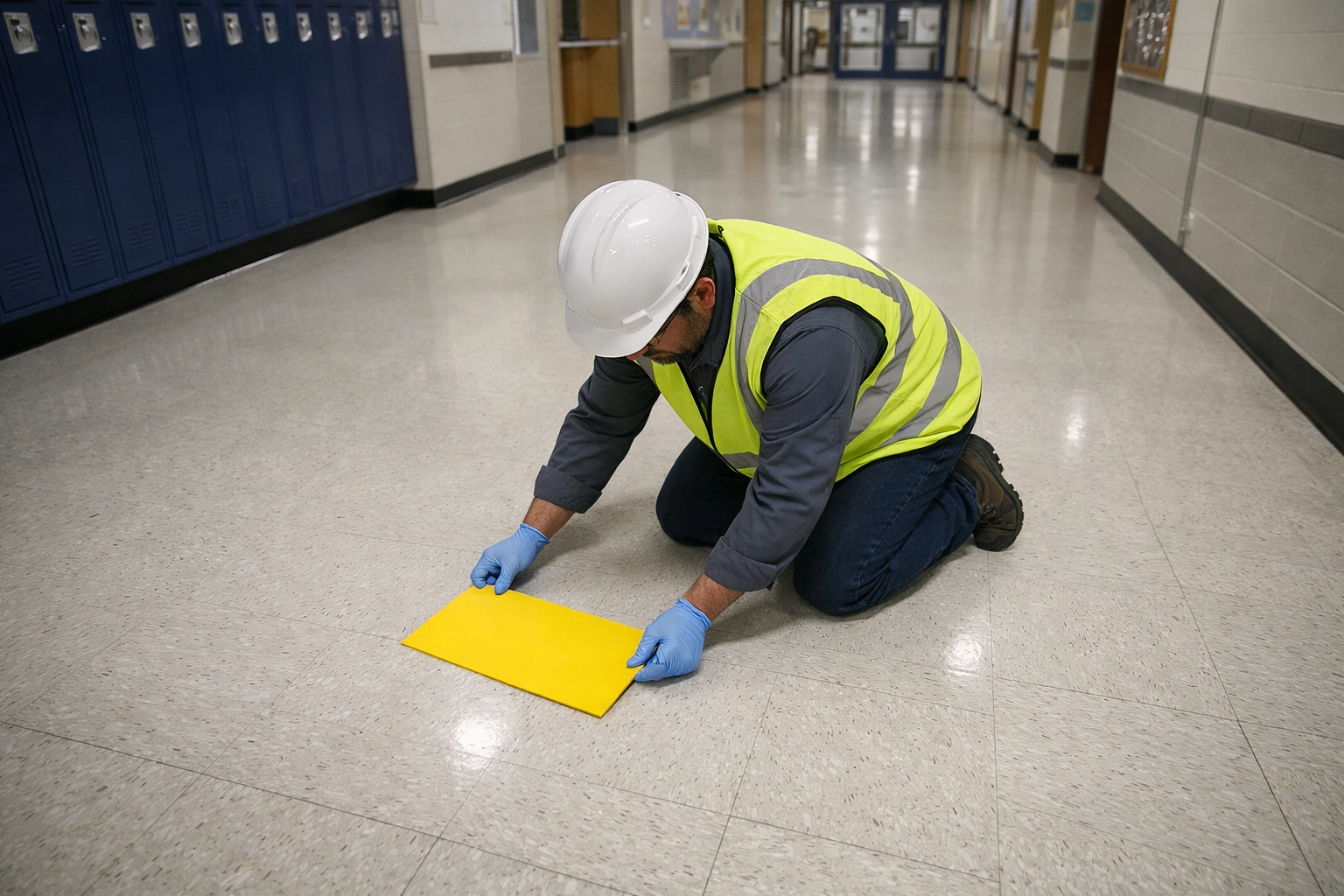
Environmental technician performing an asbestos survey in a commercial building for renovation compliance.

Analyzing the Asbestos Survey Cost

For property owners and facility managers, understanding the asbestos survey cost is essential for project budgeting. The cost is not a static figure but is influenced by several variables related to the scope and complexity of the structure in question.

1. Square Footage and Building Complexity

The size of the building is the most significant driver of cost. A small residential structure requires less time and fewer samples than a multi-story medical facility or an industrial complex. Complex structures with various additions, mixed-use spaces, or unique architectural features require more intensive investigation to ensure all potential ACM is identified.

2. Number of Samples Collected

An asbestos survey is only as accurate as its sampling plan. Inspectors must take bulk samples of various materials: such as drywall, joint compound, floor mastic, and pipe insulation: to be analyzed in a laboratory. The total asbestos survey cost increases with the number of samples required to meet statistical and regulatory standards for a "thorough" inspection.

3. Laboratory Analysis Methods

The method of analysis also impacts the final price. Polarized Light Microscopy (PLM) is the standard method for most bulk samples. However, in certain jurisdictions or for specific materials like floor tiles, Transmission Electron Microscopy (TEM) may be required. TEM is more sensitive and accurate for detecting thin fibers but comes at a higher price point than PLM.

4. Site Accessibility and Safety Requirements

If the materials to be sampled are located in confined spaces, at heights requiring scaffolding, or in areas with existing hazardous conditions, the cost of labor and safety equipment will rise accordingly.

Microscopic view of hazardous asbestos mineral fibers analyzed for building safety and survey compliance.

The Role of Professional Expertise

The integrity of an asbestos survey rests on the accreditation and experience of the firm conducting the work. Since 2007, Vista Environmental Consulting has provided comprehensive asbestos services to a wide range of sectors, including healthcare, education, and government infrastructure.

A professional survey involves a systematic process:

  • Historical Review: Examining building plans and previous renovation records.
  • Visual Inspection: A room-by-room walkthrough to identify suspect materials.
  • Sampling: Physical extraction of materials under controlled conditions.
  • Reporting: A detailed document outlining the location, quantity, and condition of any asbestos found, which is essential for obtaining construction permits.

One of the primary values provided by an experienced firm like Vista Environmental Consulting is the resolution of the "unknown factor." In many renovation projects, the presence of hidden asbestos: such as layers of old flooring beneath new carpet or insulation inside wall cavities: can lead to unexpected delays and massive cost overruns if discovered during construction. By identifying these materials upfront, property owners can factor abatement into their initial budgets, preventing the financial shock of mid-project discoveries.

The Impact of Survey Results on Project Timelines

The results of a survey dictate the subsequent steps of a project. If no asbestos is detected, the project may proceed as planned. However, if ACM is identified, the property owner must develop an abatement plan. This involves hiring licensed contractors to remove or encapsulate the material before general construction can begin.

While the initial asbestos survey cost may seem like an additional hurdle, it serves as a critical risk management tool. It protects the health of construction workers, prevents the contamination of the surrounding environment, and ensures that the property owner remains in good standing with regulatory agencies like OSHA and the EPA.

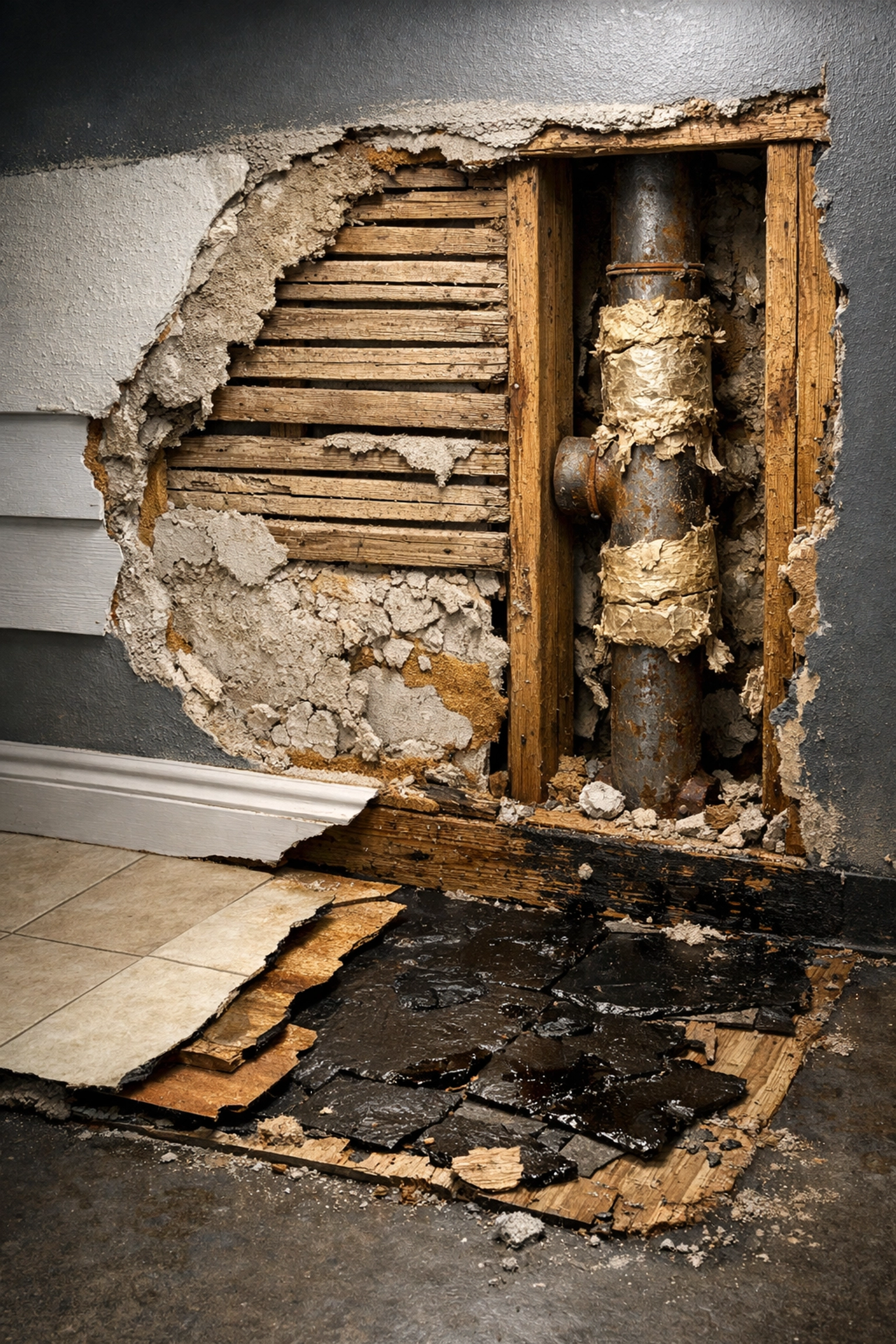
Cutaway showing hidden asbestos-containing materials behind walls and under floors discovered during an inspection.

Conclusion: Compliance as a Standard of Care

The evolution of asbestos regulation reflects a broader societal commitment to environmental safety and occupational health. While the mineral's physical properties provided great utility to the 20th-century built environment, its biological legacy necessitates a cautious and highly regulated approach to modern renovation and demolition.

For entities operating in the commercial, industrial, or public sectors, an asbestos survey is an indispensable component of facility management. By partnering with established experts who have been navigating these regulations since 2007, property owners can move forward with their projects with the assurance that their compliance obligations are met and their financial risks are minimized. The "truth" about asbestos surveys is that while they represent an upfront expenditure, they are the only reliable defense against the legal and medical consequences of an "unknown" hazard.

To learn more about environmental compliance and the technical aspects of site assessments, visit our services page or explore our past work with municipal and government agencies.

Posted in

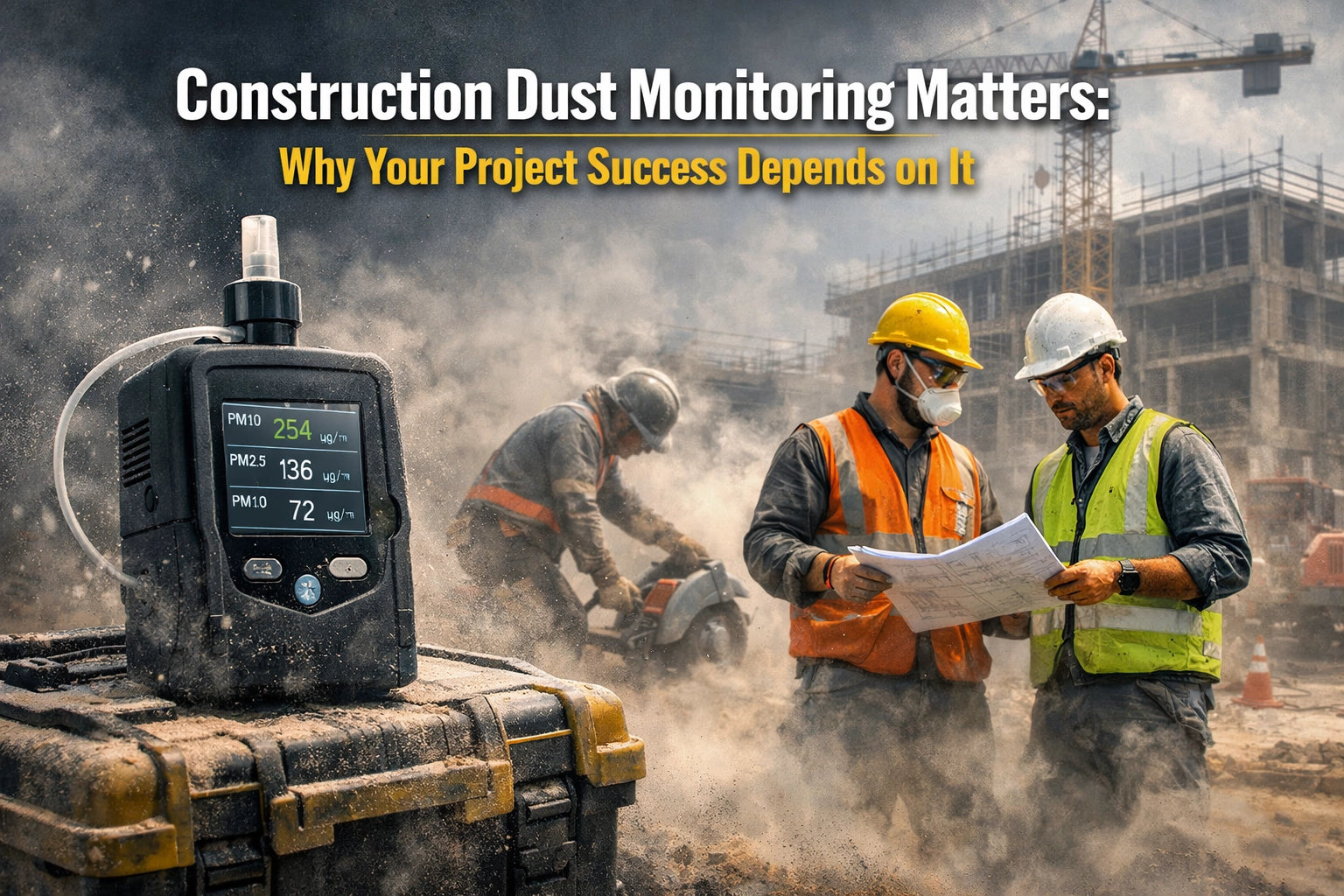
Construction Dust Monitoring Matters: Why Your Project Success Depends on It


The management of airborne particulate matter, commonly referred to as construction dust, represents a critical intersection between engineering precision, public health, and regulatory compliance. In the context of modern infrastructure development, the presence of dust is not merely an aesthetic concern or a minor nuisance; it is a complex variable that directly influences the viability and success of a project. Systematic construction dust monitoring serves as the primary mechanism for quantifying these risks and implementing effective mitigation strategies.

Through the lens of professional environmental consulting services, the oversight of air quality on job sites has evolved from a secondary safety consideration into a foundational pillar of project management. This evolution is driven by an increased understanding of the physiological effects of fine particulates and a tightening of the legal frameworks governing workplace and community safety.

The Scientific Nature and Composition of Construction Dust

Construction dust is a heterogeneous mixture of solid particles suspended in the atmosphere. The composition varies significantly depending on the site activities and the materials being processed. Key components frequently documented in industrial environments include:

  • Crystalline Silica: Naturally occurring in sand, stone, and concrete. When these materials are cut, ground, or drilled, they release Respirable Crystalline Silica (RCS), which is small enough to penetrate deep into the alveolar sacs of the lungs.
  • Wood Dust: Generated through the processing of hard and softwoods, as well as manufactured boards like MDF or plywood. These fibers can contain various resins and chemical treatments.
  • Mineral Dust: This category includes particulates from plaster, limestone, and gypsum, often found in drywall and interior finishing materials.
  • Hazardous Particulates: Depending on the age of the structure, dust may also contain traces of heavy metals or historical insulation materials. Specialized assessments, such as those found in pre-demolition assessments, are required to identify these specific hazards.

The physical size of these particles is measured in micrometers (µm). Coarser dust, known as PM10, typically deposits in the upper respiratory tract, while finer dust, PM2.5, can enter the bloodstream. The objective of monitoring is to ensure that concentrations of these particulates remain below established exposure limits.

Sunlight illuminating floating silica and mineral dust particles in a construction site interior.

The Historical Evolution of Dust Regulation and Oversight

The systematic monitoring of construction dust is a relatively modern development in the history of civil engineering. During the early 20th century, industrial environments were largely unregulated, leading to widespread occupational illnesses. The establishment of the Occupational Safety and Health Administration (OSHA) in 1970 marked a significant shift toward standardized air quality oversight in the United States.

Since 2007, Vista Environmental Consulting has operated within this maturing regulatory landscape, providing technical expertise to bridge the gap between heavy construction and environmental safety. The firm's history reflects a broader industry transition from reactive measures: such as addressing complaints after they occur: to proactive monitoring and the integration of industrial hygiene services into the earliest phases of project planning.

This historical trajectory has seen the development of Permissible Exposure Limits (PELs) that are periodically reviewed and tightened. For example, the 2016 update to the OSHA Silica Standard significantly reduced the allowed exposure for construction workers, necessitating more precise and frequent monitoring technologies to ensure compliance.

Clinical Observations and Health Implications

The rationale for rigorous dust monitoring is rooted in documented clinical outcomes. Prolonged or high-intensity exposure to construction particulates is associated with a range of acute and chronic health conditions.

  1. Silicosis: A permanent scarring of the lungs caused by the inhalation of crystalline silica. It is progressive and irreversible, leading to severe respiratory impairment.
  2. Chronic Obstructive Pulmonary Disease (COPD): Exposure to various dust types can contribute to the development of chronic bronchitis and emphysema.
  3. Asthma and Sensitization: Wood dust and certain chemicals used in modern building materials can act as sensitizers, causing workers to develop allergic reactions and chronic asthma over time.
  4. Cardiovascular Effects: Research indicates that fine particulate matter (PM2.5) is linked to an increased risk of heart attacks and other cardiovascular events as these tiny particles migrate through the lungs into the circulatory system.

Beyond the long-term health risks, high dust levels pose immediate safety hazards. Airborne clouds reduce visibility for heavy equipment operators, increasing the likelihood of collisions and structural accidents. Monitoring ensures that these conditions are identified and remediated through water suppression or ventilation before they reach critical thresholds.

Medical visualization of fine respirable dust particles entering human lungs and respiratory system.

Technical Monitoring Methodologies and Data Acquisition

Modern dust monitoring utilizes advanced sensor technology to provide real-time data. Unlike older methods that relied on laboratory analysis of physical filters: often resulting in a multi-day delay: contemporary systems allow for immediate intervention.

The standard technical approach involves several key components:

  • Optical Particle Counters (OPCs): These devices use laser diffraction or light scattering to count and size individual particles in the air stream.
  • Telemetric Systems: Data is transmitted wirelessly to a central dashboard, allowing project managers and environmental consultants to view air quality levels from any location.
  • Automated Alerts: Systems are programmed to send notifications via email or SMS if particulate levels exceed pre-defined "warning" or "action" levels.
  • Meteorological Integration: Many monitoring stations include wind speed and direction sensors. This data is essential for determining whether dust is originating from the construction site or migrating from an external source.

By employing these technologies, Vista Environmental Consulting assists clients in maintaining a "defensible data set." This record proves that the site remained within safety parameters throughout the duration of the project, which is invaluable for hazardous materials investigations and general liability protection.

Professional air quality monitoring equipment on a tripod at an urban construction site.

Regulatory Landscape and Financial Liability

The financial success of a construction project is inextricably linked to its compliance with local, state, and federal laws. Failure to implement adequate dust monitoring can lead to substantial economic penalties. Regulatory bodies such as OSHA and the Environmental Protection Agency (EPA) have the authority to issue "Stop Work" orders, which can cost contractors thousands of dollars in daily delays and lost productivity.

Furthermore, legal liabilities extend beyond government fines. If a project leads to documented health issues in the workforce or the surrounding community, the resulting litigation and compensation claims can jeopardize the financial stability of the contracting firm. Environmental consulting services provide the necessary oversight to mitigate these risks. By documenting that air quality was maintained according to the highest standards, firms protect themselves against unfounded claims of negligence.

Environmental consultant monitoring air quality compliance at a well-managed construction project.

Community Relations and Urban Development

As urban centers become more densely populated, construction activity increasingly occurs in close proximity to sensitive receptors, such as schools, hospitals, and residential neighborhoods. In these environments, dust monitoring is a vital tool for maintaining public trust and project continuity.

Air quality complaints from the community are one of the most common causes of project interruption. Without objective data, a contractor has no way to refute claims that their activities are causing a nuisance or a health hazard. Conversely, the presence of visible monitoring stations and the transparent sharing of data demonstrate a commitment to community welfare. For instance, projects involving hazardous materials surveys often require higher levels of transparency to alleviate public concern.

Strategic project management utilizes monitoring data to adjust work schedules. If wind conditions are unfavorable, or if monitoring indicates a spike in particulates, high-dust activities can be postponed or moved to a more sheltered area of the site. This level of operational agility is only possible through the continuous acquisition of environmental data.

Conclusion: The Synthesis of Monitoring and Project Success

The integration of construction dust monitoring into the lifecycle of a building project is a hallmark of professional excellence. It represents a transition from viewing environmental factors as obstacles to recognizing them as manageable variables. By prioritizing industrial hygiene services and the expertise of seasoned environmental consulting firms, project owners ensure that their developments are not only structurally sound but also ethically responsible and legally compliant.

Since 2007, the experience of Vista Environmental Consulting has shown that the most successful projects are those that anticipate environmental challenges rather than reacting to them. Through technical precision, historical awareness, and a clinical focus on safety, the monitoring of construction dust ensures that the progress of the built environment does not come at the expense of human health or project integrity.

For further information on specific project types and environmental standards, professionals may consult the markets overview or explore specialized resources regarding asbestos and other hazardous materials.

Posted in

Ancient History of Asbestos

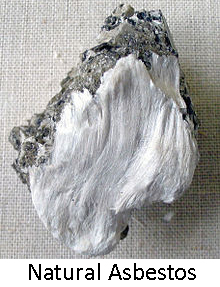
Asbestos is a naturally occurring mineral dating back to prehistoric times. Mining for asbestos existed more than 4,000 years ago, but large scale mining began at the end of the 19th Natural Asbestos w textcentury. This occurred  when manufacturers and builders began using asbestos because of its desirable physical properties.

• Sound absorption
• Resistance to fire, heat, electrical and chemical damage
• Affordability

Fire retardant properties made asbestos essential in the automobile and construction industries, as well as the military. Despite all those uses, asbestos remains a danger to human health, causing crippling diseases like asbestosis, mesothelioma and lung cancer.

Asbestos in the Ancient WorldGreek Slaves mining w text

Asbestos occurs naturally in large deposits on every continent in the world. Archeologists uncovered asbestos fibers in debris dating back to the Stone Age, approximately 750,000 years ago. Paintings of slaves in mines and mines found in Finland, Sweden, Greece, and Cypress are dated back to 5000 BC. It is believed that as early as 4000 BC, asbestos’ long hair-like fibers were used for wicks in lamps and candles.

Between 2000-3000 BC, embalmed bodies of Egyptian pharaohs were wrapped in asbestos cloth to protect the bodies from deterioration. In Finland, clay pots dating back to 2500 BC contained asbestos fibers, which are believed to strengthen the pots and make them resistant to fire. Around 456 BC, Herodotus, the classical Greek historian, referred to the use of asbestos shrouds wrapped around the dead before their bodies were tossed onto the funeral pyre to prevent their ashes from being mixed with those of the fire itself.

Some scholars claim the word asbestos comes from the ancient Greek term, meaning inextinguishable, a characterization of the material’s invincibility from the intense heat of the fire pits used by the Greeks for cooking and warmth.

Others believe that the word’s origin can be traced back to a Latin idiom, meaning unsoiled, or unpolluted, since the ancient Romans were said to have woven asbestos fibers into a cloth-like material that was then sewn into table cloths and napkins. These cloths were cleaned by throwing them into a fire, from which they came out unharmed and essentially whiter than when they went in.

While Greeks and Romans exploited the unique properties of asbestos, they also documented its harmful effects on those who mined the silken material from ancient stone quarries. Greek geographer Strabo noted a “sickness of the lungs” in slaves who wove asbestos into cloth. Roman historian, naturalist and philosopher, Pliny the Elder, wrote of the “disease of slaves,” and actually described the use of a thin membrane from the bladder of a goat or lamb used by the slave miners as an early respirator in an attempt to protect them from inhaling the harmful asbestos fibers as they labored.

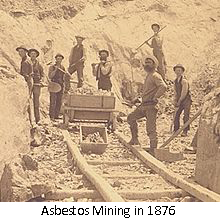
Asbestos in the Middle Ages and BeyondAsbestos_mining_1876 w text

Around 800 AD, Holy Roman Emperor Charlemagne of France ordered a tablecloth made of asbestos to prevent it from burning during the accidental fires that frequently occurred during feasts and celebrations from candles. Like the ancient Greeks, he also wrapped the bodies of his dead generals in asbestos shrouds. By the end of the first millennium, cremation cloths, mats and wicks for temple lamps were fashioned from chrysotile asbestos, from Cyprus, and tremolite asbestos, from northern Italy.

In 1095, the French, German and Italian knights who fought in the First Crusade used a catapult, called a trebuchet, to fling flaming bags of pitch and tar wrapped in asbestos bags over city walls during their sieges. In 1280, Marco Polo wrote about clothing made by the Mongolians from a “fabric which would not burn.” Polo even visited an asbestos mine in China to disproved a myth that asbestos came from the hair of a wooly lizard.

Chrysotile asbestos was mined during the reign of Peter the Great, Russia’s tsar from 1682 to 1725. A purse made of fireproof asbestos, now part of London’s Natural History Museum collection, was brought to England by Benjamin Franklin during his first visit there as a young man in 1725. Paper made from asbestos was discovered in Italy in the early 1700s. By the 1800s, the Italian government was utilizing asbestos fibers in its bank notes. The Parisian Fire Brigade in the mid-1850s wore jackets and helmets made from asbestos.

By 1878 the first commercial asbestos mine in North America opens.

Posted in Asbestos Tagged with:

Categories