In the world of California construction, dust is often treated as a nuisance: a mess to be swept up or hosed down. But as we move through 2026, the regulatory and technical landscape has shifted. What used to be "just…

We deliver tailored common sense solutions, rapid response, and safe construction practices for municipalities, private industry, and government agencies throughout the Western USA. More »
Blog
Construction Dust Monitoring: 2026 Secrets Revealed: What Experts Don’t Want You to Know
Posted in •
Lead Based Paint Inspection Matters: Why the 2026 EPA Thresholds Are a Game Changer for Building Owners
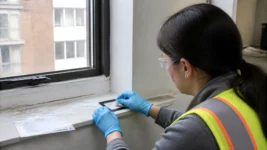
For property owners and facility managers, the regulatory landscape regarding lead-based paint has always been complex. However, 2026 marks a pivotal shift in how the Environmental Protection Agency (EPA) defines and handles lead hazards. With the full implementation of the…
Posted in •
Construction Dust Monitoring vs. Clean Room Monitoring: Which Is Better For Your Project?

When you hear the word "dust," your mind might jump to two very different places. For a project manager on an urban renewal site, dust is a nuisance and a potential OSHA violation that could shut down the job. For…
Posted in •
Construction Dust Monitoring vs. Clean Room Monitoring: Which Is Better For Your Project?

When you hear the word "dust," your mind might jump to two very different places. For a project manager on an urban renewal site, dust is a nuisance and a potential OSHA violation that could shut down the job. For…
Posted in •
Construction Dust Monitoring: 2026 Secrets Revealed: What Experts Don’t Want You to Know
In the world of California construction, dust is often treated as a nuisance: a mess to be swept up or hosed down. But as we move through 2026, the regulatory and technical landscape has shifted. What used to be "just…
Posted in •
Construction Dust Monitoring: 2026 Secrets Revealed: What Experts Don’t Want You to Know
In the world of California construction, dust is often treated as a nuisance: a mess to be swept up or hosed down. But as we move through 2026, the regulatory and technical landscape has shifted. What used to be "just…
Posted in •
Looking For Ground Testing? 5 Things You Should Know About Phase II ESAs and Soil Contaminants
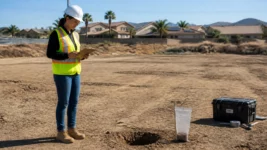
In the world of commercial real estate and development, there is a recurring nightmare known as the "it factor." It’s that nagging, unknown variable that sits beneath the surface of a property, waiting to derail a timeline or blow a…
Posted in •
Construction Dust Monitoring vs. Asbestos Air Monitoring: Which One Does Your Project Actually Need?

When you’re managing a construction or redevelopment project, "dust" is usually just part of the job. It’s on the floor, on the equipment, and: unfortunately: in the air. But as a project manager or property owner, you eventually hit a…
Posted in •
The Unknown Factor: How Professional Ground Testing Saves Redevelopment Projects

Redevelopment is an exciting venture. Whether you’re turning an old industrial warehouse into trendy lofts or revitalizing a former gas station site into a modern commercial hub, there is a certain thrill in transformation. But beneath the surface of every…
Posted in •
The Unknown Factor: How Professional Ground Testing Saves Redevelopment Projects

Redevelopment is an exciting venture. Whether you’re turning an old industrial warehouse into trendy lofts or revitalizing a former gas station site into a modern commercial hub, there is a certain thrill in transformation. But beneath the surface of every…
Posted in •
