
Asbestos is a group of naturally occurring silicate minerals that once held a position of high esteem in the global industrial landscape. Known for centuries as the "magic mineral," its physical properties: including high tensile strength, chemical resistance, and an extraordinary ability to withstand heat and fire: made it a foundational component of modern infrastructure. However, the narrative of asbestos is a complex one, transitioning from a celebrated miracle of the earth to a strictly regulated health hazard. Understanding the trajectory of this material requires a chronological examination of its use, from prehistoric pottery to the industrial boom of the 20th century.
Etymology and Mineralogical Properties
The term "asbestos" is derived from the Ancient Greek word asbestos, which translates to "inextinguishable" or "indestructible." This nomenclature accurately reflected the observation that the fibers would not burn, even when subjected to intense flame. Mineralogically, asbestos is categorized into two primary groups: serpentine (chrysotile) and amphibole (amosite, crocidolite, anthophyllite, tremolite, and actinolite).
These minerals are defined by several key physical characteristics that drove their historical demand:
- Heat Resistance: High melting points made asbestos ideal for fireproofing.
- Tensile Strength: The fibers could be spun and woven like cotton or wool.
- Chemical Inertia: Resistance to corrosion from acids and alkalis.
- Electrical Insulation: High dielectric strength made it valuable for electrical components.
Ancient Origins and Early Textual References
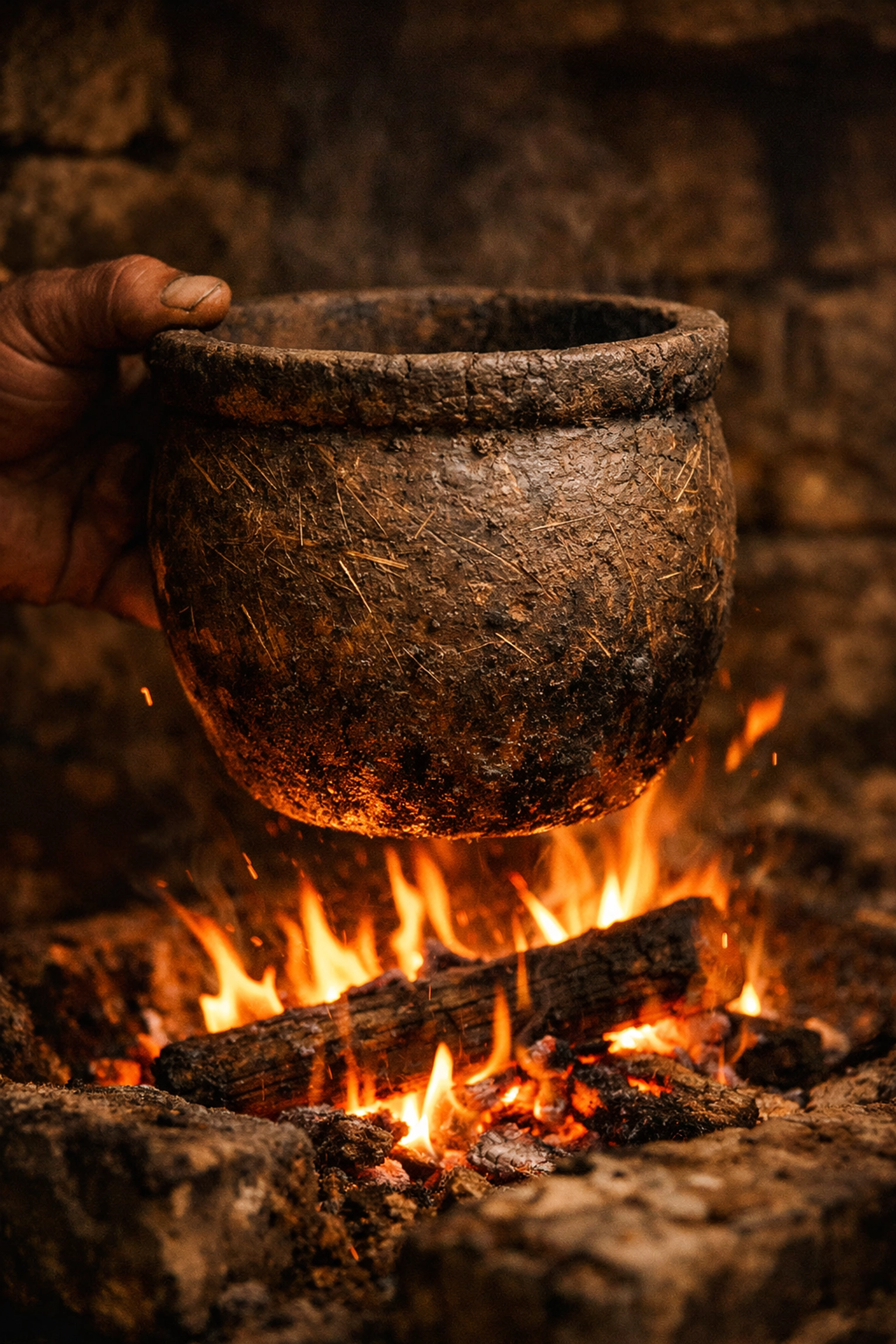
The human utilization of asbestos dates back much further than the Industrial Revolution. Archaeological evidence suggests that as early as 4,500 years ago, inhabitants of the Lake Juojärvi region in East Finland incorporated asbestos fibers into clay pottery. This prehistoric "fiber-reinforcement" increased the durability and thermal resistance of cooking utensils and storage vessels.
In the Mediterranean, the ancient Greeks and Romans documented various applications for the mineral. The Greek geographer Strabo and the Roman naturalist Pliny the Elder both remarked on the "linum vivum," or "living linen." This fireproof cloth was used to create wicks for the perpetual lamps of the Vestal Virgins, ensuring they would never burn out. Furthermore, wealthy Romans were known to use asbestos napkins at banquets. Rather than washing these linens, they were cleansed by being thrown into a fire, which incinerated the food particles and stains while leaving the asbestos fabric pristine.
The ancient Egyptians also recognized the preservative qualities of the mineral, allegedly using asbestos-woven garments to wrap the bodies of deceased royalty to protect the remains from external elements and preserve the integrity of the funeral shrouds during cremation.
The Middle Ages and the Legend of the Salamander
During the Middle Ages, the rarity and seemingly magical properties of asbestos led to widespread myths. One of the most persistent legends involved the "salamander," a mythical creature believed to live in fire. It was frequently claimed that asbestos fibers were actually the wool or skin of these creatures.
Marco Polo, the famous Venetian merchant, encountered asbestos during his travels through Tartary (modern-day Russia and China) in the 13th century. In his writings, Polo debunked the salamander myth, correctly identifying the substance as a mineral dug from the earth. He observed a factory where the ore was crushed, treated, and woven into fireproof cloth. Despite his efforts to provide a scientific explanation, the mystical aura surrounding the "magic mineral" persisted in Europe for several more centuries.
The Holy Roman Emperor Charlemagne reportedly utilized the material’s properties to impress guests and deter superstitious enemies. He allegedly owned an asbestos tablecloth that he would throw into a fire after dinner, only to retrieve it undamaged and clean, a feat that many at the time viewed as supernatural.
The Industrial Revolution: The Mining and Manufacturing Boom
While ancient use was significant, it was the Industrial Revolution that transformed asbestos from a luxury curiosity into a global commodity. The rapid expansion of steam-powered machinery in the 1800s created an urgent need for effective insulation. Steam engines, boilers, and high-temperature pipes required materials that could contain heat and prevent fires in confined industrial spaces.
Large-scale commercial mining commenced in the mid-19th century. The United States saw its first commercial operations in 1858, followed by the discovery of massive chrysotile deposits in Quebec, Canada, in 1874. By the early 1900s, mining operations expanded into South Africa, Russia, and Australia.
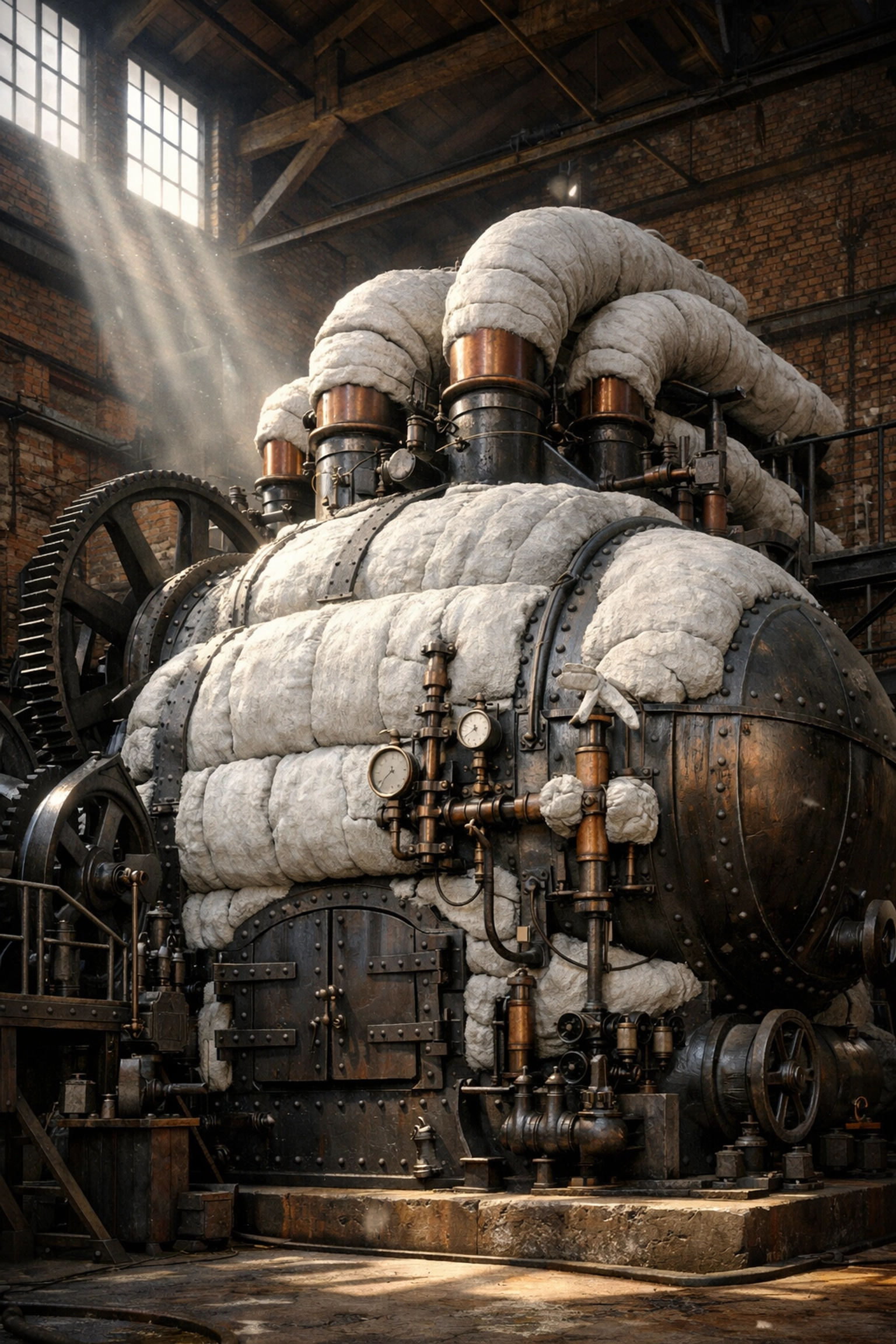
The invention of the Hatschek machine in 1907 by Austrian engineer Ludwig Hatschek was a pivotal moment in the history of asbestos. This technology allowed for the mass production of asbestos-cement products, which were durable, fireproof, and inexpensive. This led to a surge in the use of asbestos in construction, including:
- Roofing shingles and siding.
- Insulation for residential and commercial buildings.
- Fireproofing for steel beams in skyscrapers.
- Gaskets and brake linings for the burgeoning automotive industry.
Infrastructure projects, such as the Port of Oakland pre-demolition assessments and hazardous materials investigations at Naval Base Ventura, frequently encounter these legacy materials today, illustrating how deeply asbestos was integrated into the maritime and military sectors during the 20th century.
The Mid-Century Peak and Ubiquity
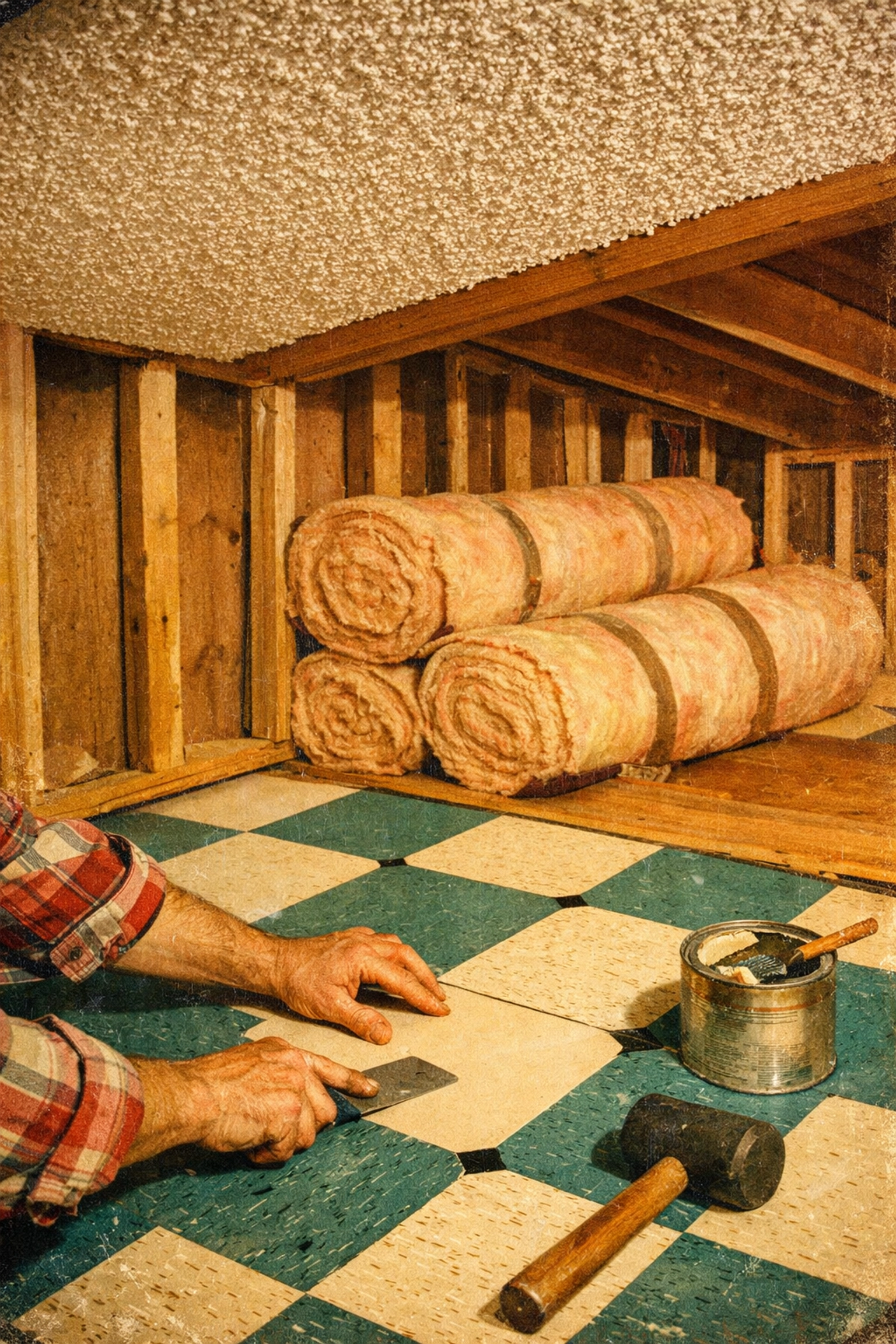
By the middle of the 20th century, asbestos was found in more than 3,000 different commercial products. It was used in everything from floor tiles and popcorn ceilings to hair dryers and ironing board covers. During World War II, the demand for asbestos skyrocketed, as it was essential for the construction of warships, submarines, and aircraft. Sailors and shipyard workers were exposed to high concentrations of the mineral in the cramped, poorly ventilated quarters of military vessels.
Educational institutions and public facilities also heavily utilized the material. Many districts, including the Oakland Unified School District and the San Leandro Unified School District, have had to manage the long-term environmental implications of these historical building choices. From the Department of Motor Vehicles to California State University Monterey Bay, the presence of asbestos became a standard feature of the American built environment.
The Transition to Risk Awareness
The decline of asbestos began not because of a loss of utility, but because of the mounting evidence of its devastating biological effects. While early reports of "dust disease" among mine workers surfaced in the late 1890s and early 1900s, it took several decades for the full scope of the hazard to be recognized.
The clinical recognition of asbestosis, a chronic lung disease caused by the inhalation of fibers, was followed by the identification of the link between asbestos exposure and lung cancer in the 1940s. By the 1960s, medical researchers established a definitive connection between asbestos and mesothelioma, a rare and aggressive form of cancer affecting the lining of the lungs and abdomen.
In response to these findings, the late 20th century saw a wave of regulatory action. In the United States, the Environmental Protection Agency (EPA) and the Occupational Safety and Health Administration (OSHA) began implementing strict regulations on the use and handling of asbestos in the 1970s. This marked the shift from a focus on production to a focus on abatement, management, and environmental consulting services.
Modern Management and Compliance
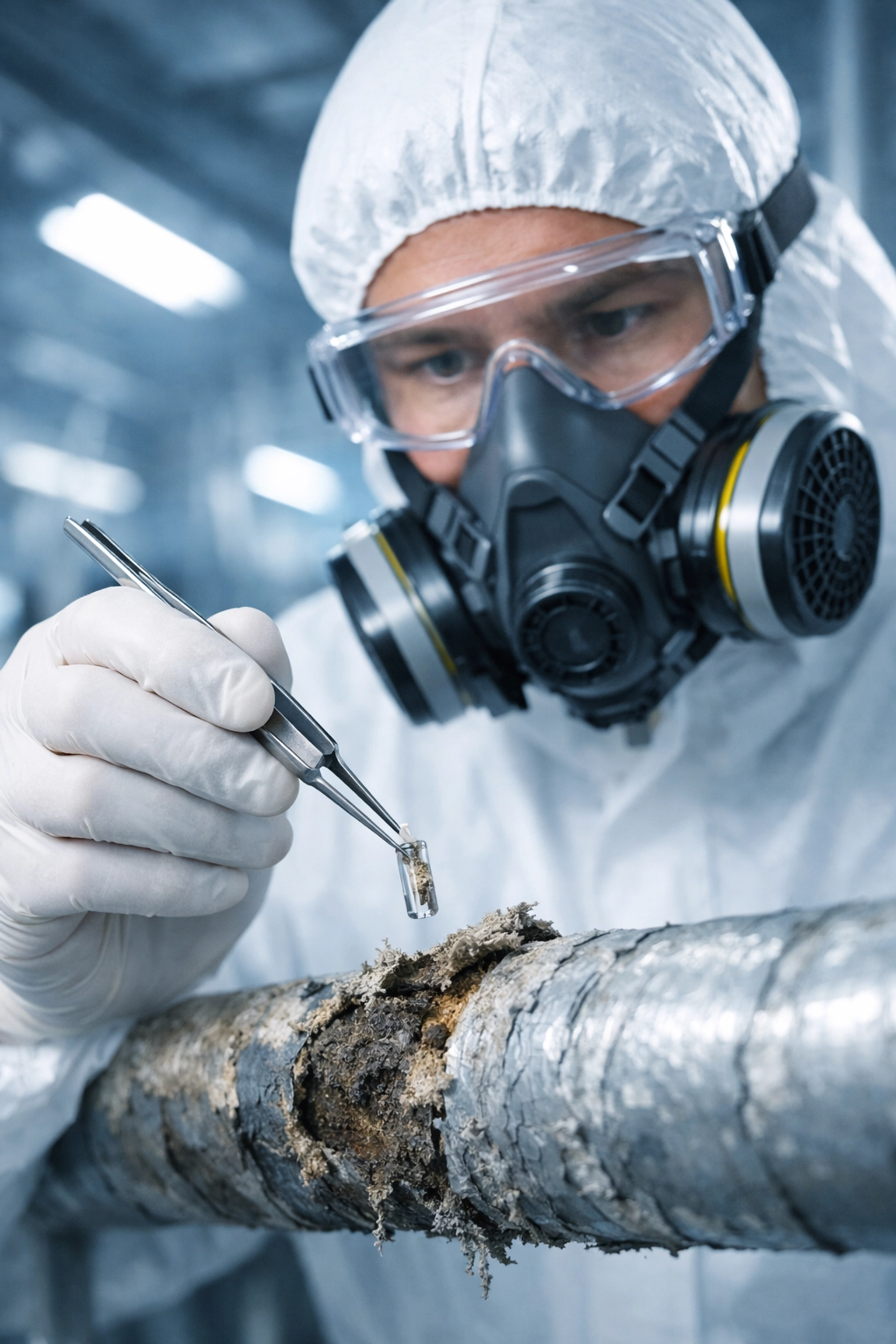
Today, the legacy of asbestos remains a primary concern for property owners, developers, and public agencies. Because the material is often hidden within wall cavities, pipe insulation, or flooring adhesives, specialized expertise is required to identify and mitigate risks safely. This is where modern asbestos testing companies play a vital role.
When considering a renovation or demolition, the asbestos survey cost is a necessary investment in safety and legal compliance. These surveys identify the type and condition of asbestos-containing materials (ACM) to ensure they are handled according to state and federal law.
Vista Environmental Consulting has been a leader in this field since 2007. Providing comprehensive environmental consulting services, the firm assists clients in navigating the complexities of hazardous materials management. With a commitment to safety reflected in an ISNetworld 'A' Rating and an Experience Modification Rate (EMR) of .83 (Member Number: 400-222568), Vista ensures that historical infrastructure can be modernized without compromising public health.
From seismic retrofitting at medical centers to hazardous materials surveys at Marine Corps bases, the lessons of the history of asbestos are applied daily through meticulous testing and strategic planning. The "magic mineral" may have a dark side, but with modern science and rigorous oversight, its risks are effectively managed for the safety of future generations.
