
The act of renovating a commercial or industrial structure represents a critical juncture between historical architecture and modern utility. However, the physical layers of a building often serve as a chronological record of industrial chemistry: one that includes materials now recognized as significant environmental and biological hazards. Before the commencement of demolition or structural modification, the identification of these substances is not merely a safety recommendation but a regulatory and scientific necessity.
The Historical Proliferation of Industrial Minerals
The integration of hazardous materials into the built environment is a practice spanning millennia. To understand the necessity of modern testing, one must examine the historical reliance on substances such as asbestos and lead.
Asbestos, a group of naturally occurring silicate minerals, was utilized as early as 4000 BCE for its flame-resistant properties. The ancient Greeks referred to it as asbestos, meaning "inextinguishable," and utilized the fibers for lamp wicks and funeral shrouds. By the late 19th century, the Industrial Revolution catalyzed a global surge in asbestos mining. Its desirable properties: high tensile strength, chemical resistance, and exceptional thermal insulation: led to its inclusion in over 3,000 distinct building products.
Similarly, lead has been a staple of human construction since the Roman Empire, where it was utilized in plumbing systems (the word "plumber" derives from the Latin plumbum). In the 19th and 20th centuries, lead-based pigments were favored for their durability and moisture resistance, becoming ubiquitous in paints and industrial coatings.

Technical Properties and Common Use Cases
The widespread adoption of these materials was driven by specific technical advantages. The following list outlines the primary hazardous substances encountered during renovations and their historical applications:
- Asbestos-Containing Materials (ACM): Found in spray-on fireproofing, thermal system insulation (TSI) on pipes and boilers, vinyl floor tiles, acoustic ceiling textures ("popcorn ceilings"), and roofing felts.
- Lead-Based Paint (LBP): Predominantly used on structural steel, exterior masonry, and interior high-wear surfaces like window sills and door frames.
- Polychlorinated Biphenyls (PCBs): Utilized in electrical transformers, fluorescent light ballasts, and specialized caulking or sealants due to their stability and dielectric properties.
- Mercury: Frequently located in thermostat switches, fluorescent lamps, and certain types of mechanical gauges.
- Chlorofluorocarbons (CFCs): Standard in older HVAC systems and refrigeration units prior to international phase-outs.
The stability of these compounds, which made them ideal for construction, is also what makes them persistent environmental threats when disturbed during demolition activities.
Clinical Observations of Biological Hazards
The transition from the widespread use of these materials to their strict regulation was prompted by a growing body of medical evidence. From a clinical perspective, the hazards are categorized by their primary routes of exposure: inhalation, ingestion, and dermal contact.
Asbestos fibers are microscopic and needle-like. When building materials are pulverized during a renovation, these fibers become airborne. Once inhaled, they can lodge deep within the lung tissue (the parenchyma) or the lining of the chest cavity (the pleura). Over decades, this can lead to asbestosis (scarring of the lungs), lung cancer, and mesothelioma: a terminal cancer specifically linked to asbestos exposure.
Lead exposure, conversely, primarily affects the central nervous system. Inhalation of lead dust or ingestion of lead-contaminated particles can lead to lead poisoning. In adults, chronic exposure is associated with cardiovascular issues and renal impairment, while in children, it causes irreversible neurological damage and developmental delays. The clinical delivery of these facts underscores the importance of containment and professional handling.

The Regulatory Framework: EPA and NESHAP
In the United States, the management of hazardous materials is governed by a complex framework of federal and state laws. The most significant of these is the National Emission Standards for Hazardous Air Pollutants (NESHAP), overseen by the Environmental Protection Agency (EPA).
The NESHAP regulations mandate that for any facility slated for renovation or demolition, an owner or operator must ensure a thorough inspection for the presence of asbestos. This requirement applies regardless of the age of the building, as asbestos use was not banned entirely and is still present in some modern imported materials.
Failure to adhere to these mandates can result in:
- Administrative Fines: Often exceeding tens of thousands of dollars per day of non-compliance.
- Project Stoppage: Immediate "Stop Work" orders that can disrupt construction timelines for weeks or months.
- Legal Liability: Potential litigation from workers or the public who may have been exposed to hazardous dust during unauthorized demolition.
Information regarding regulatory compliance and professional oversight can be found through specialized resources such as Vista Environmental Consulting.
The Methodology of Hazardous Materials Testing
A professional hazardous materials survey is a systematic process designed to identify, quantify, and map contaminants within a structure. This process is divided into three distinct phases.
1. Visual Site Inspection and Inventory
A licensed environmental consultant conducts a walkthrough of the facility to identify "suspect" materials. This involves a detailed review of architectural drawings and a physical assessment of all accessible areas. Materials are categorized into Homogeneous Areas (HAs): groups of materials that are uniform in color, texture, and date of application.
2. Physical Sampling and Laboratory Analysis
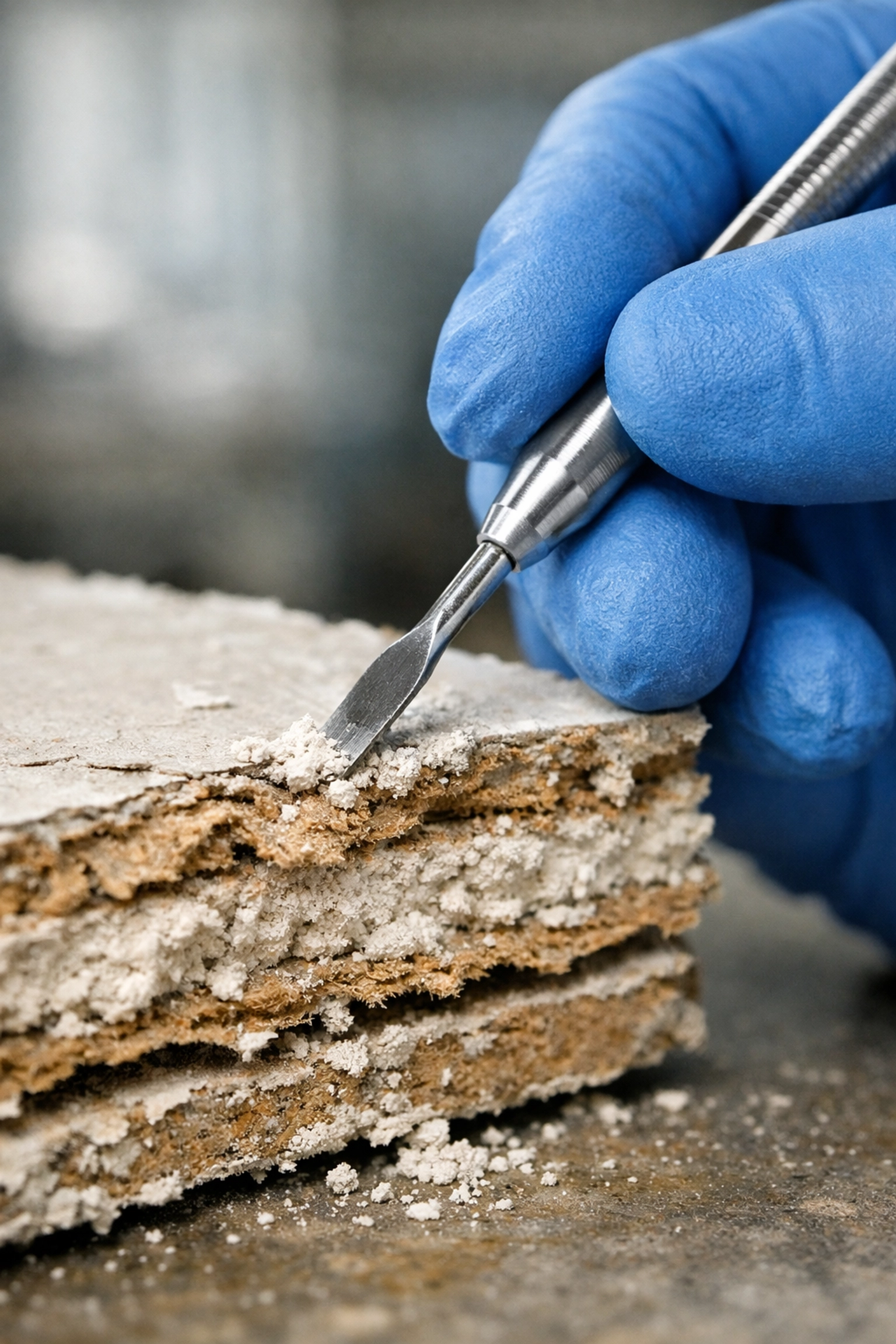
The consultant collects bulk samples of the suspect materials. For asbestos, this requires "destructive" sampling in some cases, where small portions of the material are removed for testing. These samples are sent to an accredited laboratory, typically using Polarized Light Microscopy (PLM) or Transmission Electron Microscopy (TEM) to confirm the presence and percentage of hazardous fibers. For lead, X-ray Fluorescence (XRF) analyzers are often used to provide instantaneous readings of lead concentrations in paint.
3. Reporting and Abatement Strategy
The final phase is the production of a comprehensive report. This document identifies the locations of all hazardous materials and provides a risk assessment. If hazardous substances are found, a remediation or abatement plan is developed. This plan outlines the specific methods required to safely remove and dispose of the materials before general renovation begins.
Economic and Strategic Advantages of Pre-Renovation Surveys
While the primary driver for hazardous testing is safety and legal compliance, there are significant economic advantages to performing these surveys early in the project lifecycle.
When hazardous materials are discovered "in progress": meaning after a wall has been opened or a ceiling removed: the costs of remediation escalate dramatically. An unplanned discovery often results in an "emergency abatement," which carries a premium price. Furthermore, the potential for cross-contamination means that a much larger area must be cleaned and cleared, often requiring the evacuation of the entire building.
By identifying hazards during the planning phase, property owners can solicit competitive bids for abatement and integrate the timeline into the overall construction schedule. This proactive approach minimizes "deal-killer" environmental liabilities and ensures that the project remains financially viable. Detailed insights into the management of these diverse project types are available across various market sectors.
The Role of Professional Consultation
The complexity of environmental science and the stringency of modern regulations necessitate the involvement of specialized professionals. Managing the risks associated with asbestos, lead, and other toxins requires a deep understanding of both historical building practices and contemporary safety standards.
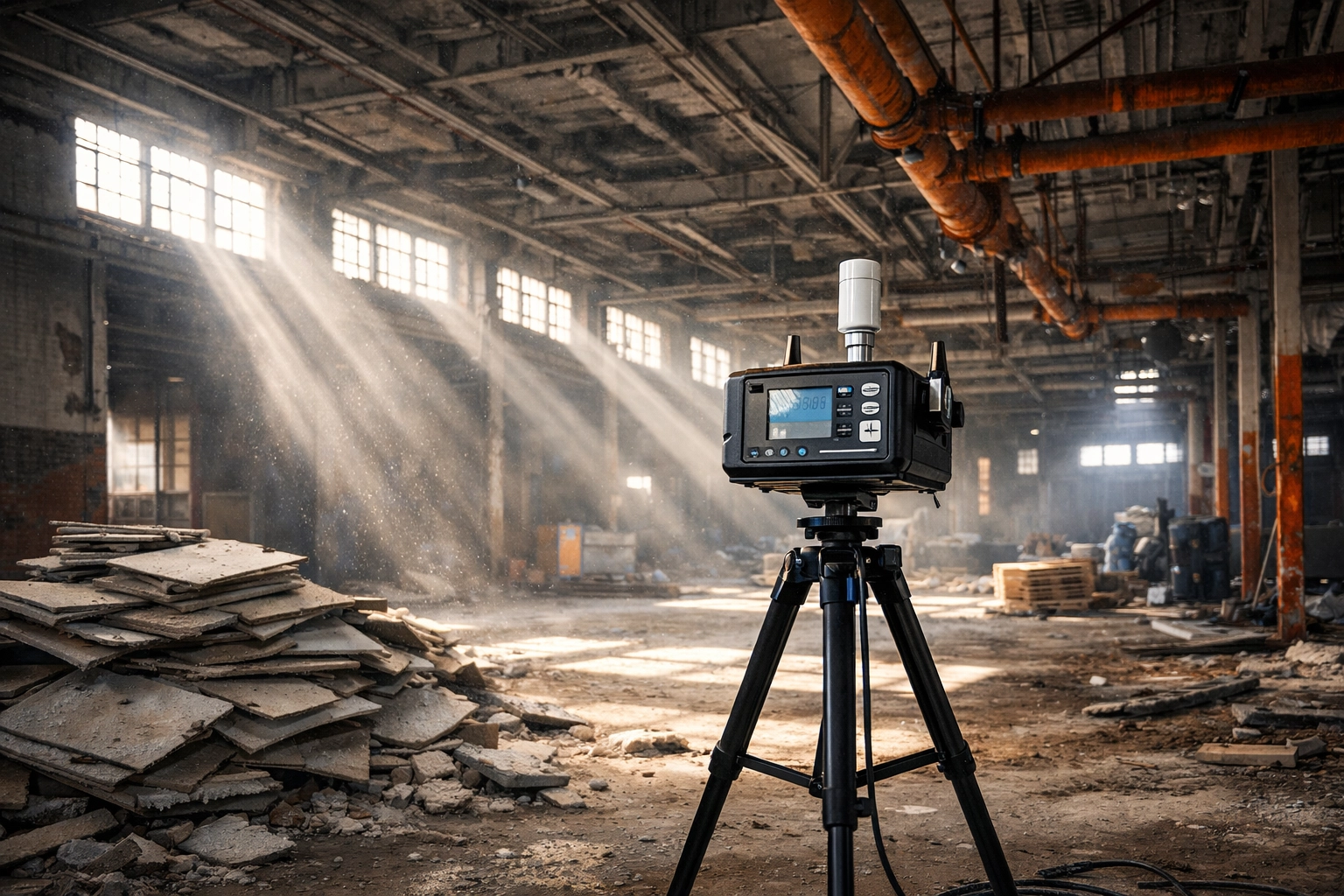
Professional consulting firms provide the necessary validation to ensure that a renovation site is safe for workers and that the final renovated space is safe for future occupants. By utilizing advanced diagnostic tools and adhering to rigorous sampling protocols, these experts provide the data necessary to move a project from the "demolition" phase to the "reconstruction" phase with confidence.
For entities beginning a structural modification project, engaging with qualified leadership in the environmental field is the first step in mitigating risk.
Conclusion
The evolution of the built environment is a continuous process of renewal. However, the physical remnants of 20th-century industrialism require careful management. Renovation does not begin with the swing of a sledgehammer; it begins with the science of identification and the discipline of hazardous testing. By understanding the historical context, the technical properties of hazardous materials, and the rigorous requirements of modern law, property owners can ensure that their projects are built on a foundation of safety and compliance.
For further information on environmental services or to discuss a specific project site, interested parties may contact professional consultants to begin the survey process.
